Many hotels are closing or facing declining business. Let's identify the hidden factors behind falling revenue – and the common issues you can fix.
Haggling over room prices
Flexible pricing may seem like a good solution, but its benefits are often far outweighed by long-term damage. As a guest, you won't be happy to learn you paid more than you should have just because you didn't haggle (out of pride, because you didn't need to, or because you didn't know). Guests will conclude they paid an unfair, unreasonable price – meaning your service is worse than what they paid (even if haggling was just a way to win price-sensitive guests, not a sign of overpricing). Don't be surprised if you never see these guests again. Haggling also makes any guest uncomfortable, puts pressure on receptionists so they can't be welcoming, opens a loophole for receptionists to profit, and makes people see your business as unprofessional and opportunistic. Be transparent about prices. Adjust by season, not on a whim, and announce and apply prices consistently to every guest.
Price gouging in peak season
When is the best time to compete? Peak season. When every hotel is focused on making as much money as possible right now – serving worse and charging more – it's your chance to build loyalty and goodwill by doing the opposite, and you'll soon become the leader. That's because people commonly react in two ways:
– Reciprocity (gratitude): knowing you could have raised prices unreasonably but didn't, guests will always want to come back – and don't be surprised if their friends come because of it. – The second form of reciprocity is revenge: guests won't care that everyone did the same at that time; they'll only remember that you “ripped them off”. They'll be glad never to return and will tell others to avoid your hotel.
False economies
Look at this in terms of cost versus benefit. Very small things – pillows, sheets, mattresses, shampoo or toothbrushes – have a big impact on whether guests return. For example, you might save VND 500 on a toothbrush or shampoo. How many stays does it take to save VND 250,000? 500 stays – yet if just 1 in 500 of those guests chooses another hotel simply because the toothbrush there is better than yours, your savings are meaningless. Win guests with these small things as soon as possible, before your competitors quietly do – or before you go out of business from losing guests.
Neglecting reception
In service businesses such as hotels, restaurants and cafés, reception plays a very important role. Many guests come back simply because your receptionists are enthusiastic, professional and welcoming. And many guests who are undecided because of price are swayed by the receptionist. It's fair to say 60–85% of guests choose your hotel because of a professional receptionist, and fewer than 30% will choose it if they meet a bad one. Take recruitment and reception training seriously, and pay above the market to find good, enthusiastic receptionists. Remember the cost/benefit lesson: you may save a few hundred thousand dong on salary but lose millions in guests – or end up exhausted doing a job you could hire someone for at under VND 3 million a month.
Charging upfront
This obviously doesn't please guests. Weigh preventing a few losses a month against the number of guests who dislike it. Unless you're in an area with frequent security problems, it's best not to do this if you don't want your hotel to empty. Only collect payment in advance from guests who have stayed at least 2 days.
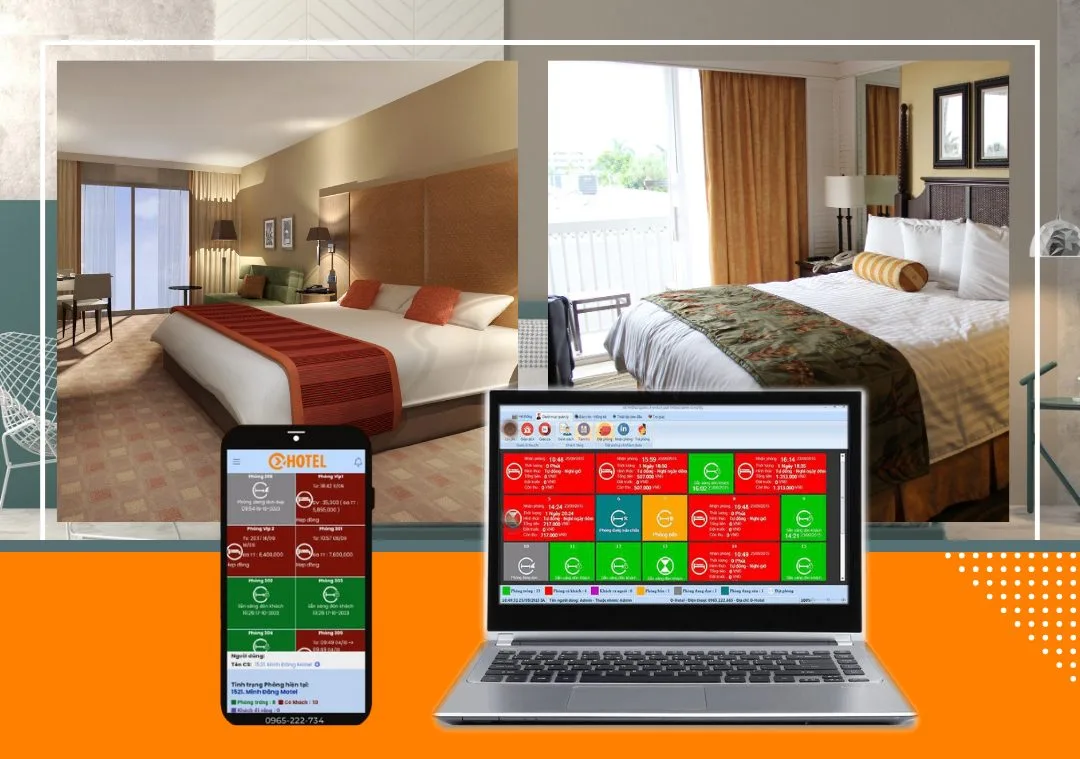
We also recommend supporting your management with tools such as Ohotel hotel management software to avoid and fix many unnecessary problems and run your hotel as well as possible.