Even if you already use hotel management software to track stock in and out and prices in your warehouse, software can't check food quality. You still need to inspect food directly. Clean, high-quality ingredients are decisive in the restaurant and hotel business, so food quality management is extremely important. Managers should do the following:
1. Train your staff
Knowledge is a precious asset, and training staff to monitor food quality is the best way to ensure quality and food safety. Training is just as important as ensuring the quality of service staff. A quality restaurant needs more than good food – it must give guests an enjoyable dining experience. The smartest investment is staff training: after a while, staff will be able to tell clean food from unsafe food.
2. Use concrete examples
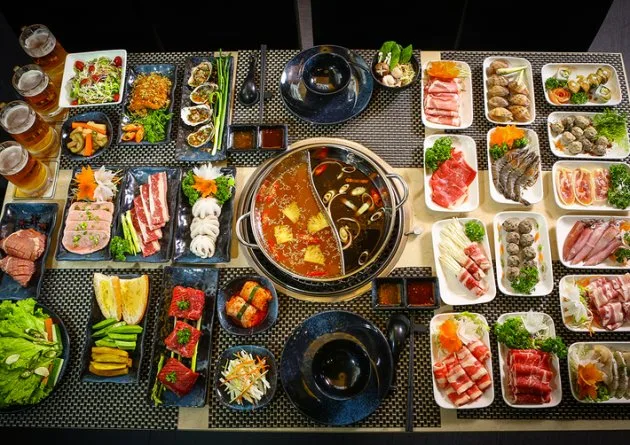
Use real situations in your hotel or guesthouse as examples so staff learn faster – from checking food temperatures and managing grilled dishes to handling guests' personal requests. In every situation, the restaurant manager is the one who shows how to act.
3. Start a food safety certification programme
A food safety certification programme is important for food quality management. To be certified, each restaurant must follow the specific practices as designed, ensuring food is handled, prepared and served as safely as possible.
4. Receive and store food properly
Food quality control starts the moment food arrives at the restaurant. All deliveries must be checked for damage, so only the best ingredients enter the kitchen. Once checked and approved, ingredients must be stored correctly, following proper procedures, to maintain high quality and maximise shelf life.
5. The pressure of consistency
As mentioned, you only get one chance to make a great first impression – but keeping it consistently to retain guests is another matter. If portion sizes or staff change every day, guests lose trust and start going elsewhere. Staff must therefore keep all portions consistent.
According to restaurant owners, many managers remind staff to leave all their problems behind when they walk through the restaurant door. In other words, they shouldn't bring personal issues to work, but start each day relaxed – so guests feel relaxed throughout their meal.
6. Hire a food quality assurance manager
Food quality management can be daunting, especially in large commercial kitchens, where it can become a full-time job with its own dedicated role: the food quality assurance manager. This role usually requires at least 2 years' qualification in food technology or a related field, and is responsible for tasks such as training staff in proper food handling and regularly monitoring food quality in the commercial kitchen.