Social media has been the go-to channel for reaching customers, closing sales, customer care, positioning and brand building for years. Each platform has its own characteristics and targets different customer segments.
These tips give you an overview of driving hotel bookings on today's popular platforms.
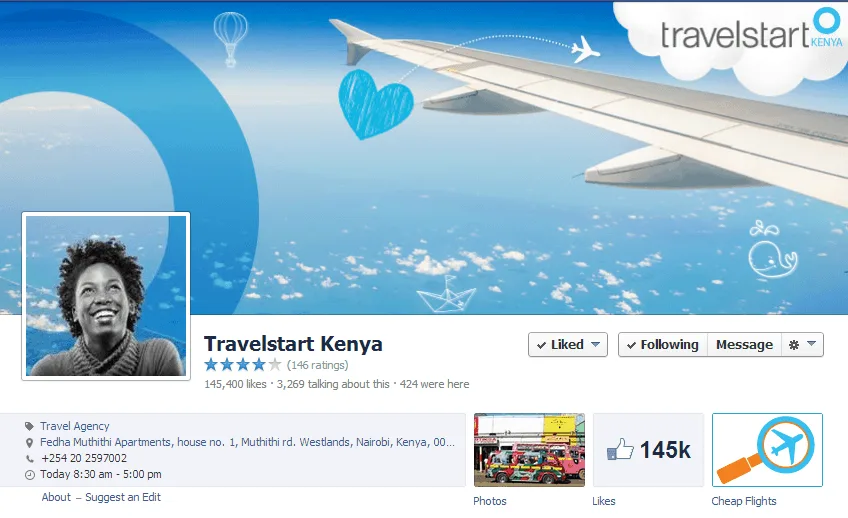
Channel purpose: research shows Facebook has never really been an online booking channel; it works more as a marketing and sales platform.
Presence: the main goal for hotels on Facebook is to optimise their presence, build an audience and reach people to convert them into actual bookings.
Action: hotels should consider paid advertising. For direct bookings, hotels can add a booking widget or booking engine to their Facebook page. Research shows neither option drives many bookings: currently 50% of hotels have a booking engine or widget on Facebook, and 45% of them get less than 1% of total bookings through it. Facebook is trying to change this with better measurement tools.
Channel purpose: Twitter drives information bursts and is mainly used to reach customers. The main goal is connection.
Presence: the channel offers free promotion and clearly helps you reach many people. What matters is not posting only sales messages.
Action: automated posts like those on Facebook are used to keep up with customers' tweets and trending information. Hotels should monitor, read and reply regularly to understand their followers better – they can quickly become guests. Note that video tweets get twice the reach.
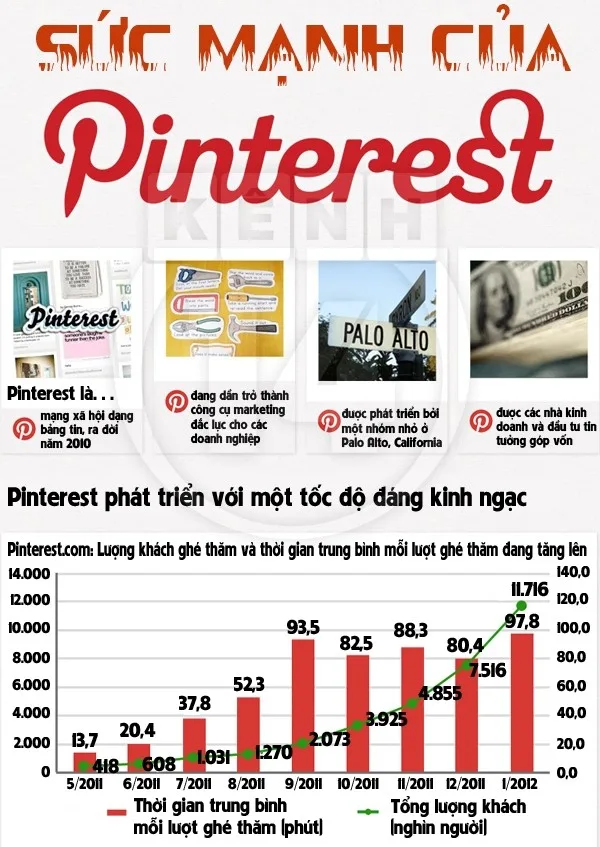
Channel purpose: it's important to understand content on this channel through the lens of lifestyle and what women share – most users of this network are women.
Presence: Pinterest is a great way to visually showcase everything that makes your hotel brand unique. You can market everything from your restaurant and bar to well-known chefs and the food you serve.
Action: this platform has a positive effect on hotel search optimisation, so invest in it properly.
TripAdvisor
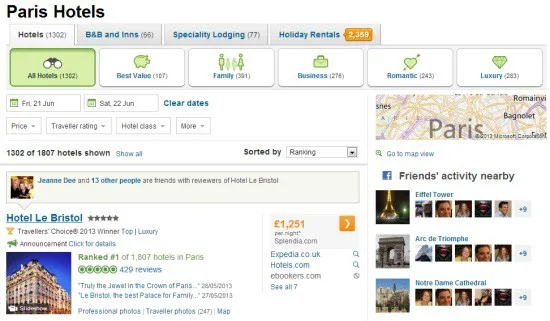
Channel purpose: optimise your TripAdvisor page, including everything that increases your presence and communication with guests – and, more importantly, an online review strategy that supports the hotel's goals.
Presence: describe your hotel in detail. Highlight keywords that set your hotel apart and use the main keywords for your segment. Use Google Keyword Planner or similar tools to find relevant keywords.
Action: guest feedback must be listened to and answered whenever needed. Publish content that is friendly to both search engines and users. On TripAdvisor, hotels can convert more visitors into actual guests than on other sites.
Managing social media is no small task. Hotels should be active on social channels, and a new role – social media content manager – may be worth considering. These views come from the US market, so consider which social channels can actually bring guests in your own market.
Serge Chamelian
Source: ehotelier.com