
In our previous article on competing with OTAs, we covered the history of OTAs, how they affect hotel owners and some marketing tactics to encourage direct bookings. But there's another situation that can make those tactics useless:
Guests going straight to OTA websites
OTAs have invested a great deal of time and money in advertising, and as a result many guests go straight to OTA websites to book their trips. In this case, many of the tactics discussed in the previous article won't work or will be much less effective. Our goal is to win some guests over, not to eliminate OTAs altogether. Here are some useful approaches for specific OTAs:
Expedia.com / Hotwire.com / Hotels.com
Expedia was one of the first OTAs, launched in 1996, and has since grown and added other OTAs to its group. There are many opportunities to advertise across the Expedia network (Hotwire.com, Hotels.com):
- Banner ads on their websites, including ads promoting special events.
- Ads on social networks such as Facebook and Twitter to create direct contact with guests.
- Sponsored listings: pay-per-click to increase the hotel's visibility in hotel searches.
- Targeted video and banner ads under their brand.
- Emails to customers promoting the hotel's offers, then following up with customers who show interest.
Orbitz.com
Orbitz accepts advertising on its website while also operating as an OTA:
- Banner ads with links to the hotel's social media pages.
- Promotional emails with many options and opportunities.
- Sponsored search listings: pay-per-click designed to give a hotel more visibility in Orbitz searches.
- Targeted banner ads aimed at potential guests.
Priceline.com
Priceline has memorable ads that travellers may recognise, and many advertising opportunities on its website:
- Banner and video placements on its website, in emails and even on Facebook and Twitter.
- Banner ads retargeting segments of Priceline website visitors.
- Priceline sponsored listings: pay-per-click to display the hotel prominently in Priceline searches.
Travelocity.com
Travelocity offers many advertising options, mainly banner ads on its website, newsletters and mobile app.
These tactics can lead to a situation where both sides lose profit; OTAs will analyse and advise you to avoid this. Still, we must admit OTAs have created a huge wave of change in how consumers travel.
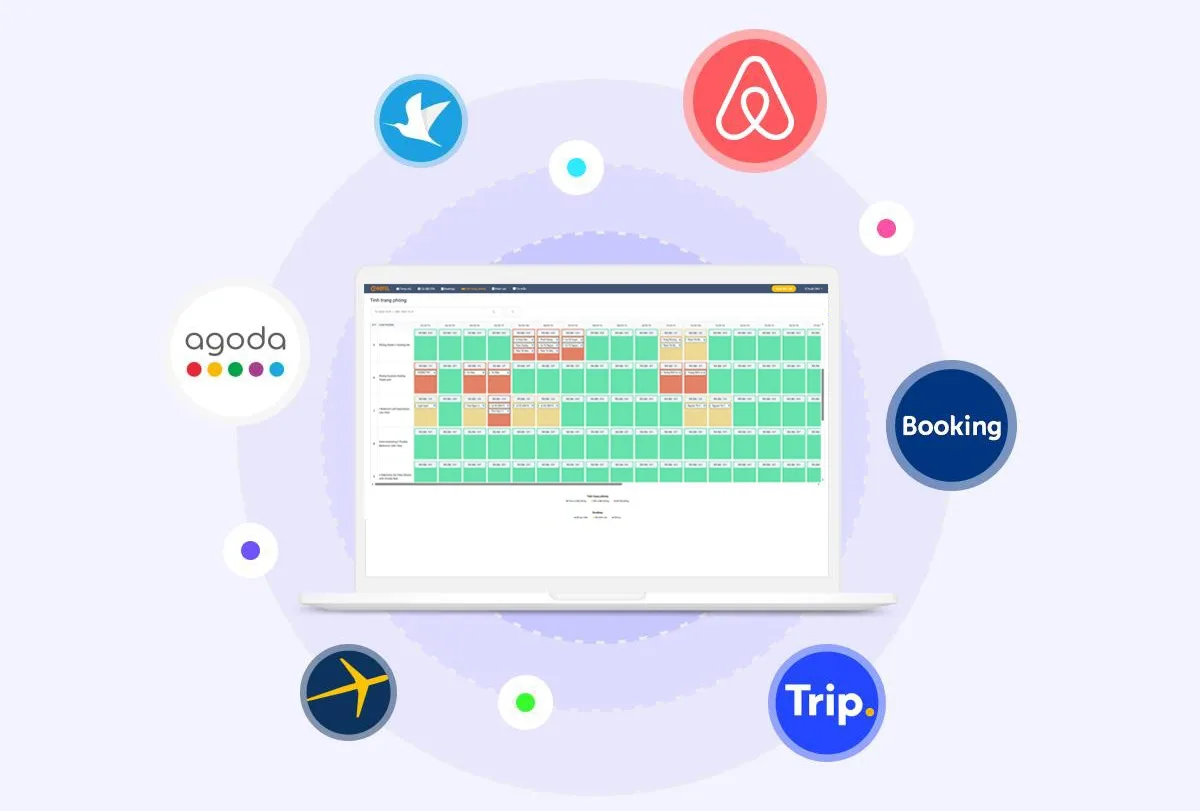
This doesn't apply to every hotel. Some properties simply don't receive many bookings through OTAs, so these tactics won't mean much for them. Others will see shifts between OTA bookings and bookings on the hotel website. In that case, hotels must invest wisely to deploy the tactics above and choose the right approach for each situation. A channel manager helps you control rates and availability across every OTA from one place.