For many hospitality businesses, ROE (Return on Experience) gets little attention or priority in strategy. But in the 21st century, customer experience is widely discussed, and economists agree that experience drives the economy. Here we look further at competitive advantage, loyalty and financial efficiency in hospitality – specifically in hotel management.
Guest experience influences purchasing
Consumer behaviour and perceptions of value have changed dramatically. A few decades ago, hotel owners could shape consumer behaviour and perceptions. Now, with the growth of social networks, guests share information and experiences with each other, and their personal impressions influence other people's decisions.
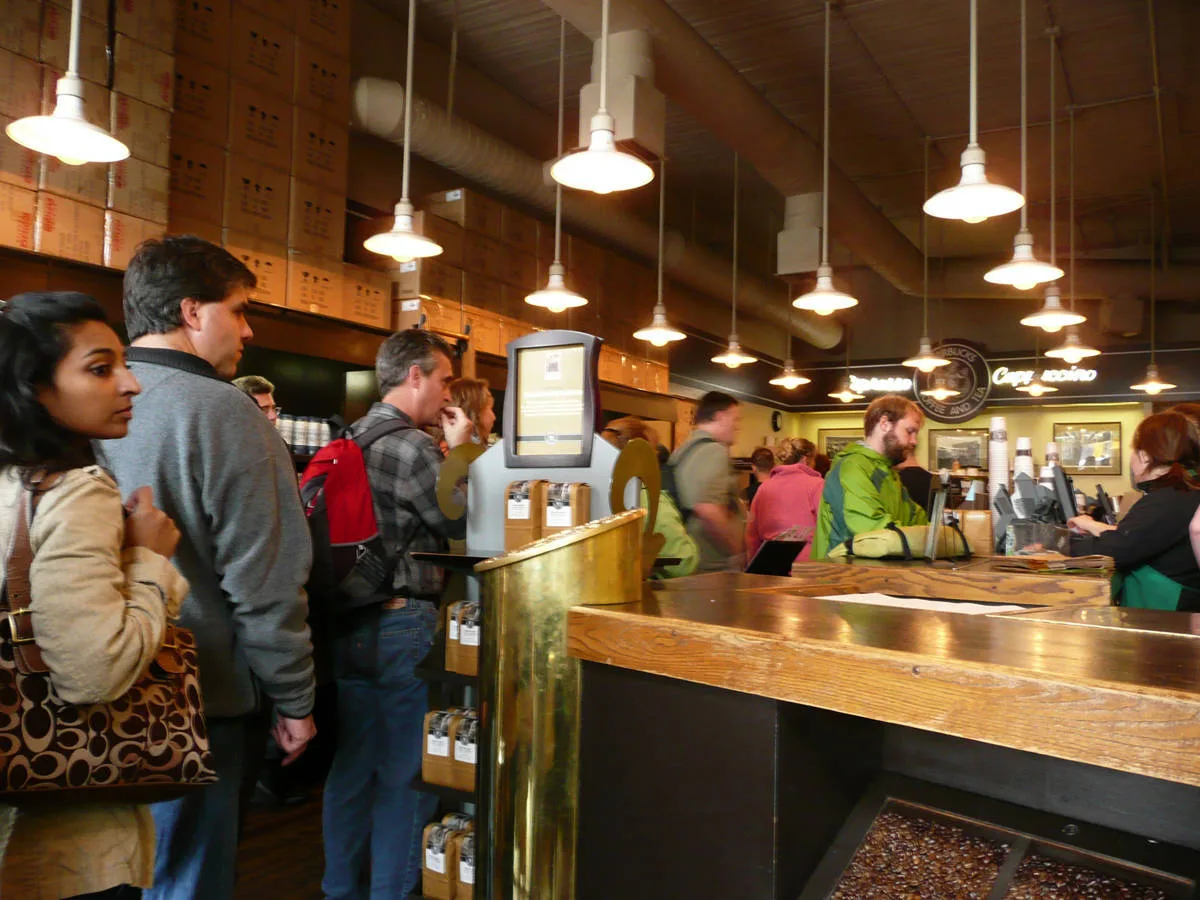
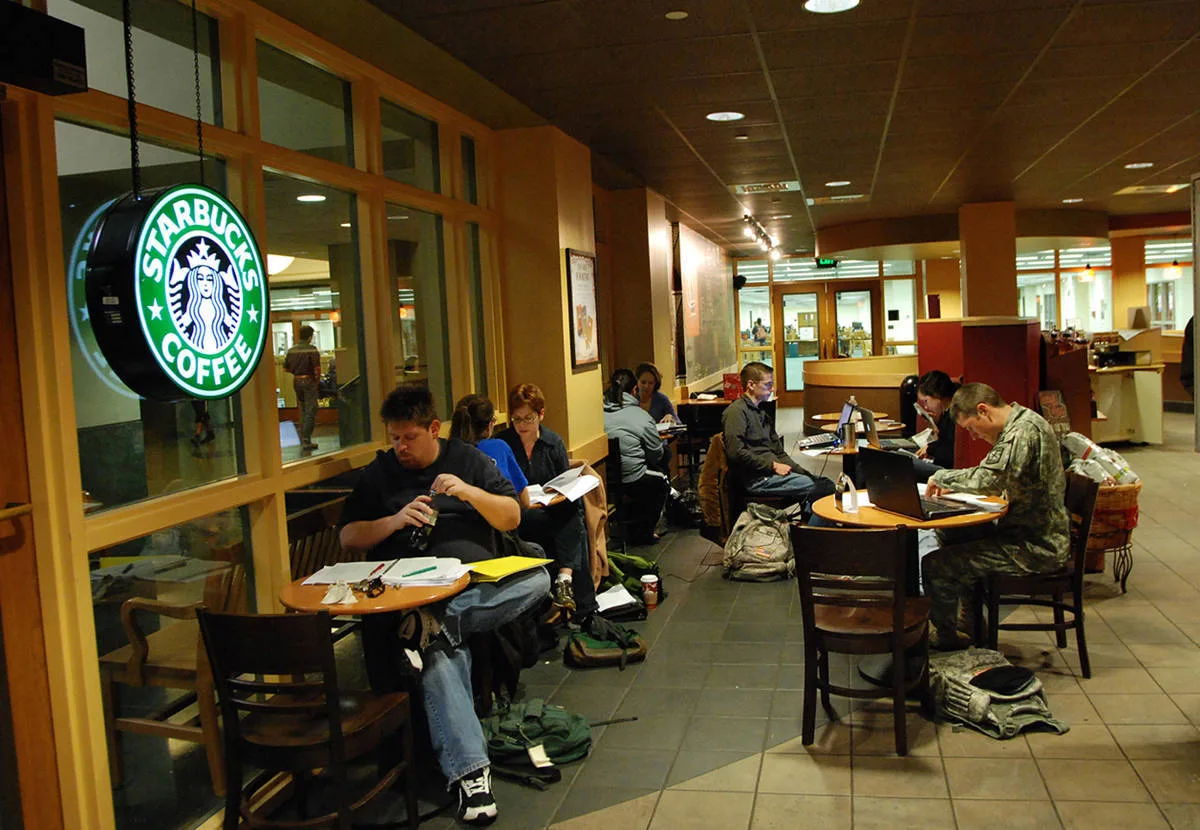
Look closely and you'll see that hotels such as Ritz-Carlton – and other businesses such as Southwest Airlines, Whole Foods, Starbucks and Nordstrom – all put customer experience at the centre of their business model. They are willing to sacrifice a lot to achieve a strong ROE.
How big brands do it
Their customers are encouraged to share their experiences authentically, all with the aim of boosting brand recognition, brand-related factors and online rankings. This clearly has a positive impact on room performance – not to mention profit and sales on a sustainable foundation.

All these businesses enjoy excellent ROI from continuous marketing efforts, and with a strong ROE they spend less than competitors to win customers. Starbucks, for example, spends only about USD 20–25 million a year on marketing. By comparison, its nearest competitor by revenue would have to spend around USD 265 million to reach the same number of customers – more than ten times as much. This shows how strongly user experience affects consumer behaviour.
So what's the solution for managers?
You may now ask: how do we build a strong ROE? The answer is to create special experiences for each type of guest. When they feel it, give them the chance to express it – naturally. When guests share their experiences themselves, they create powerful word of mouth for your hotel. In short, give guests enjoyable experiences, and encourage and prompt them to share.
One concrete way is to personalise every interaction between the hotel and its guests. Use guests' names in every reply and question you can. Make them feel important to the hotel. Hospitality creates excitement, and guests are the ones who feel it and share it with others. Creating strategies and tactics that delight and surprise guests is always a great way to strengthen a hotel's ROE.
In short, for hospitality businesses – and hotels in particular – to achieve strong ROI and sustainable finances, they must focus on building ROE. A hotel management system that remembers each guest's history and preferences makes personalisation much easier.
Brett Patten
Source: eHotelier.com