What is digital transformation in hotel management?
Digital transformation in hotel management means applying technology and software to all operations in order to:
- Automate processes
- Reduce dependence on people
- Improve management efficiency and revenue
- Enhance the guest experience
Instead of notebooks, Excel or disconnected systems, hotels move to centralised management, real-time data and smart operations.
The hotel industry before the digital wave
Before 2026, many hotels still faced:
- Manual management dependent on staff
- Revenue and reports lacking transparency
- Difficulty managing remotely, especially chains
- Selling on many channels with poor control
- An inconsistent guest experience
At the same time, staff costs keep rising, OTA competition is fierce and guests expect speed, convenience and contactless service. Digital transformation is no longer a future trend – it is a requirement.
Why digital transformation is essential in 2026
1. Guests are increasingly digital
Guests expect online booking, fast check-in, cashless payment, QR codes and self-service. Hotels that do not go digital will struggle to meet modern expectations.
2. Competition and operating cost pressure
Hotels using technology need fewer staff, manage more accurately and respond faster to the market. Traditional hotels operate slowly, leak money and struggle to expand. The gap between the two keeps widening in 2026.
3. Remote management has become a must
Investors no longer want to depend on being on site, and hotel chains are growing faster. Managing hotels remotely with software has become the new standard.
What does digital transformation in hotel management include?
1. Hotel management software (PMS)
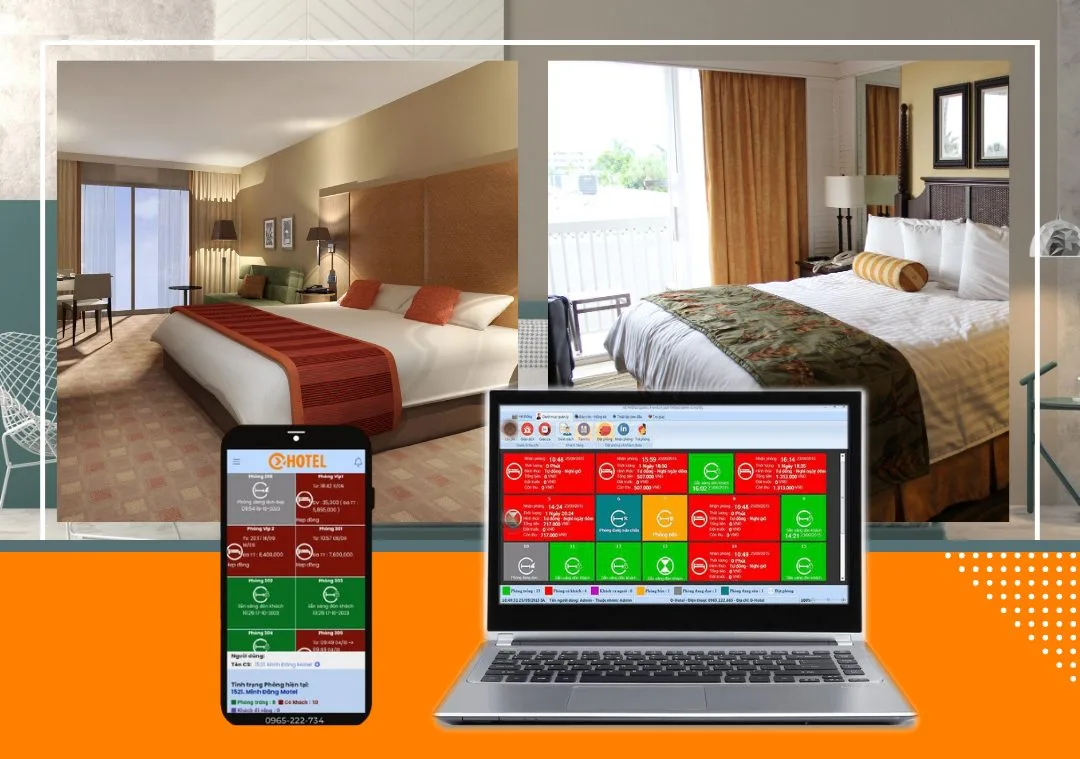
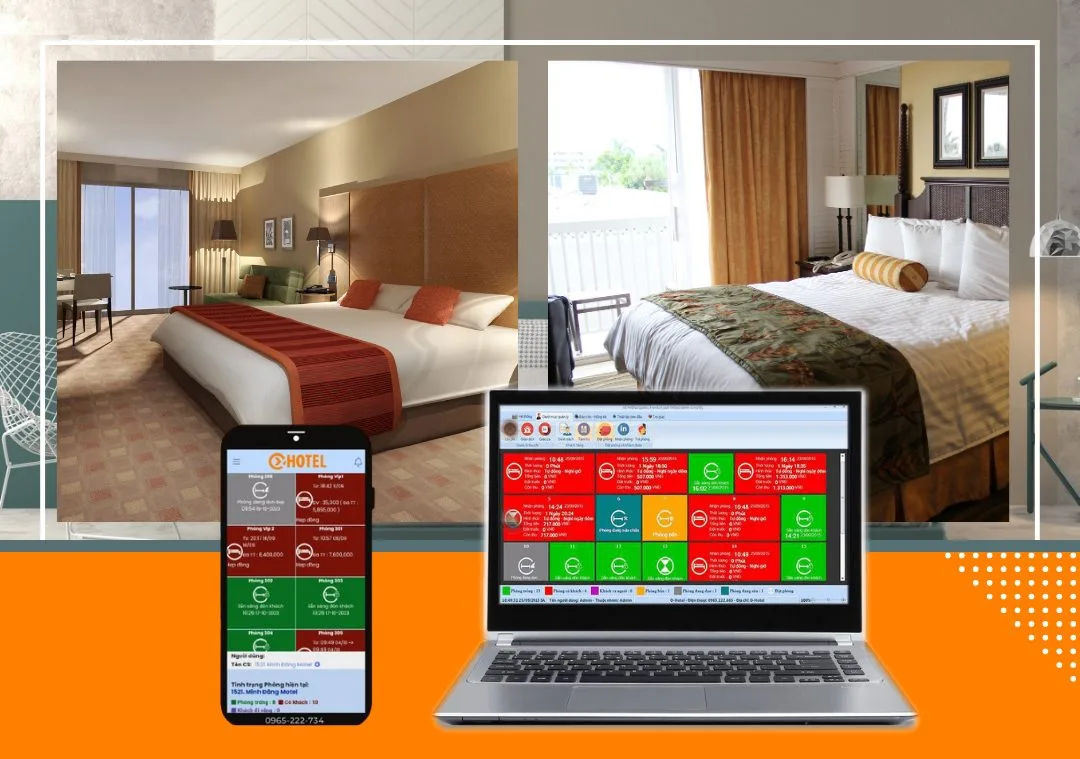
The centre of digital transformation: managing rooms, guests and the front desk, tracking revenue and occupancy, automatic accurate reports and centralised multi-branch management – see OHOTEL.
2. Online channel management (Channel Manager)
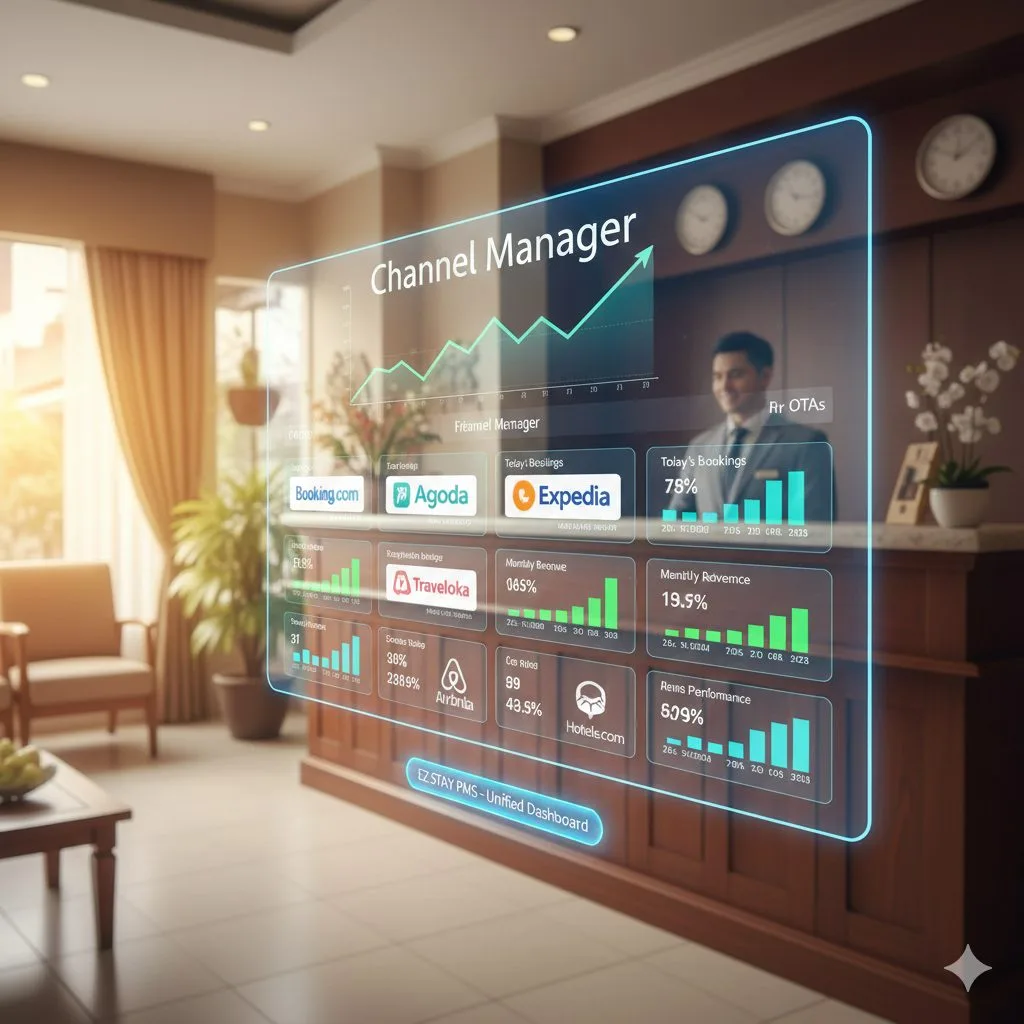
Synchronise rates and availability on OTAs, reduce overbooking, optimise multi-channel revenue and improve your ranking on Booking.com and Agoda – see OXU CMS.
3. Smart QR payments and displays
QR payments, QR room information, less contact and more convenience – in line with modern hotel trends. See our QR payment display.
4. Smart device integration
Key card and smart locks, electronic room number signs and in-room device control create a smart hotel.
Benefits of digital transformation
- Lower staff costs
- Transparent revenue and fewer losses
- Management anytime, anywhere
- Higher occupancy
- Easy chain expansion
- Better guest experience
Which hotels should go digital now?
- Mini hotels and guesthouses
- Professional homestays
- Multi-branch hotel chains
- Investors who do not run operations directly
The earlier you transform, the bigger your competitive advantage in 2026.
An effective digital transformation roadmap
- Standardise operating processes
- Deploy hotel management software
- Connect a Channel Manager to OTAs
- Integrate payments and smart devices
- Analyse data and optimise revenue
Conclusion: digital transformation is the foundation for sustainable growth
In 2026, hotels that transform well will run lighter and earn more sustainably, while those that are slow to change will be left behind. This is no longer just a trend – it is a matter of survival.