
Debts inevitably arise in business. So what are receivables and payables, how are they classified, what reports are common and how can they be managed effectively? Let's explore with OXU.
What are receivables and payables?
They are amounts that arise when goods or services are bought, sold or exchanged – between individuals, between individuals and businesses or between businesses – but are not paid, or not paid in full, at the time and are carried over to a later payment period.

How are they classified?
There are two types:
- Customer receivables (amounts receivable): common in businesses that sell on credit, where customers may owe part or all of a bill. The business needs complete customer information.
- Supplier payables (amounts payable): arise when the business buys goods or materials from suppliers and does not pay in full, or is allowed to pay later by agreement.
What a debt report contains
Debt reports track amounts owed by customers and to suppliers. Both share common elements:
- Customer or supplier name and code
- Phone number
- Outstanding balance
- Detailed information on each debt, based on the customer or supplier name and code
How to manage receivables and payables effectively
The list of customers who owe money, or suppliers you owe, is compiled from transactions recorded on credit. Whenever money is collected or paid, the assigned staff member must update it immediately and prepare the required reports, so managers and owners can see the business's current cash position accurately.
However, manual records and calculations are time-consuming and prone to error. That's why it pays to bring technology into management processes.
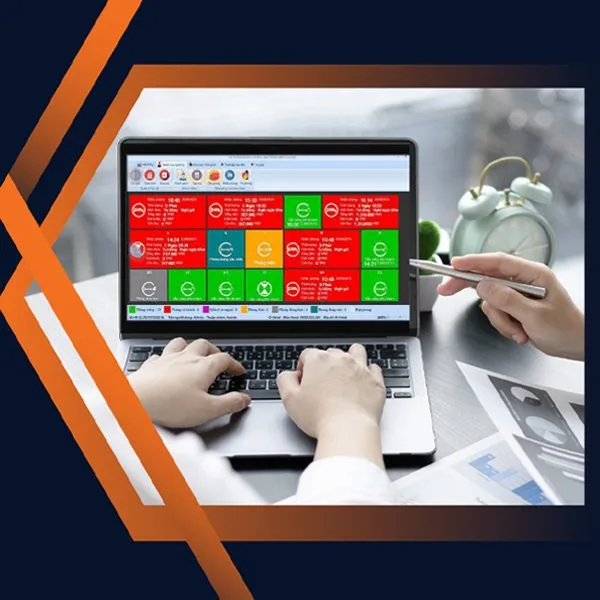
Management software updates information and produces debt reports automatically, so managers and accountants can work quickly while keeping figures accurate.
See: OHOTEL hotel management software, BIDA OXU billiards management software, OKARA karaoke management software and OXU massage and spa management software.