New rules on cash-register e-invoices
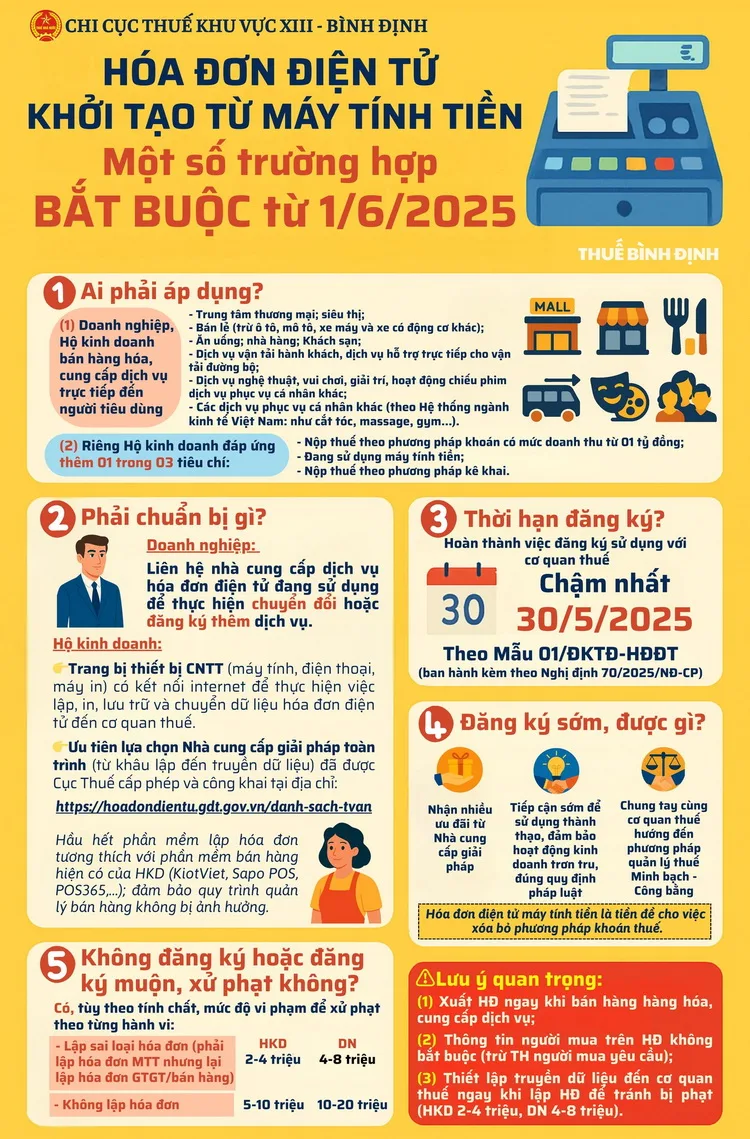
From 1 June 2025, cash-register e-invoices became mandatory for certain businesses under Decree 70/2025/ND-CP of 20 March 2025, which amends and supplements Decree 123/2020/ND-CP of 19 October 2020 on invoices and documents. These e-invoices are generated from a cash register (POS) connected to the tax authority – a very useful format that makes invoicing easier for small businesses.
What are cash registers and cash-register e-invoices?
A cash register is an electronic device that supports business management, including billing, storing sales data, looking up and reporting transactions and issuing e-invoices with a tax authority code. A cash-register e-invoice connected to the tax authority carries a tax authority code or electronic data that buyers can look up and declare.
Who must comply?
Under Decree 70/2025/ND-CP, businesses and household businesses that sell goods or provide services directly to consumers must use cash-register e-invoices connected to the tax authority, including shopping centres, supermarkets, retail (except cars and motorbikes), food and beverage, restaurants, hotels, passenger transport and road transport support services, arts, entertainment and cinemas, and other personal services.
What should businesses and household businesses do?
- Businesses: contact your current service provider to switch or register for the additional service.
- Household businesses: review your revenue for the most recent year and check whether your sector is subject to the requirement; prepare IT equipment (computer, phone, printer) with internet access to create, print, store and transmit e-invoice data to the tax authority; and choose a suitable solution provider to receive, transmit and store e-invoice data.
Businesses subject to the requirement had to complete registration with the tax authority by 30 May 2025 at the latest.
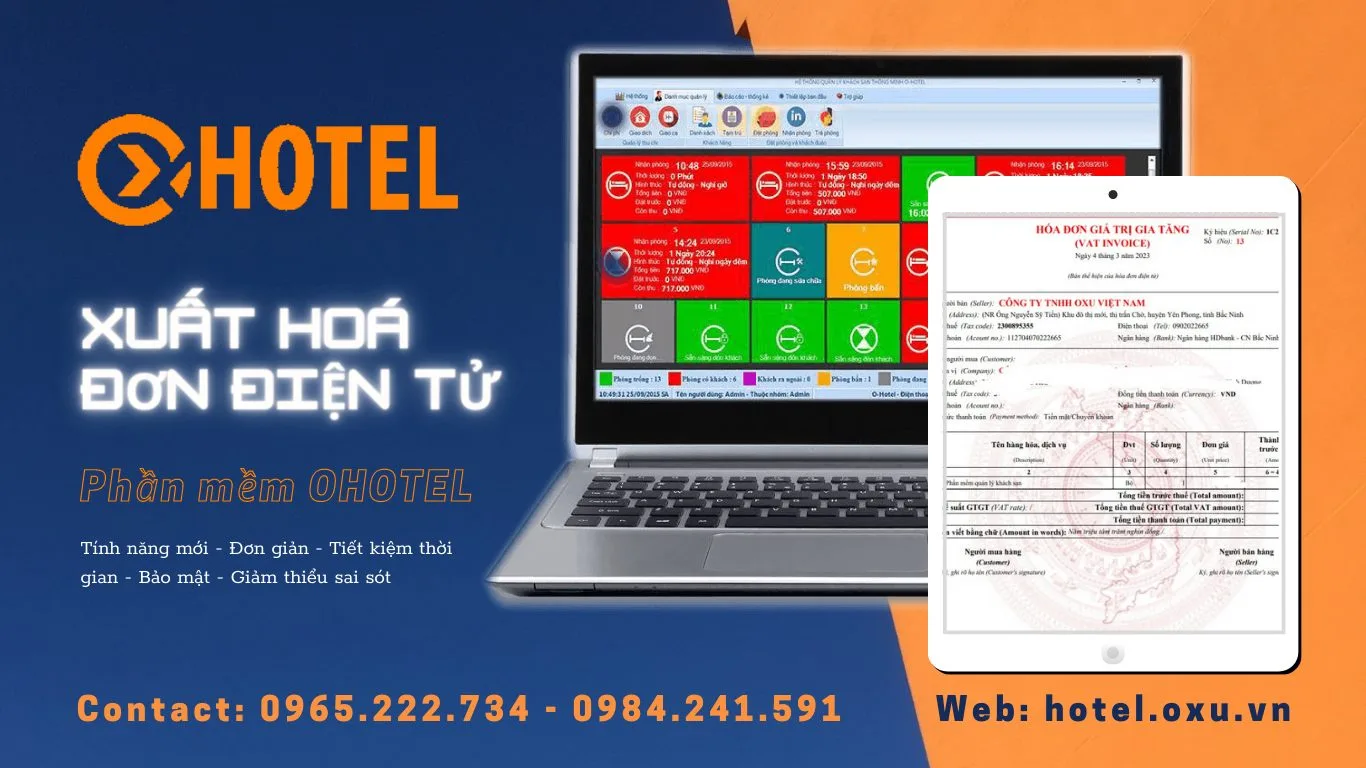
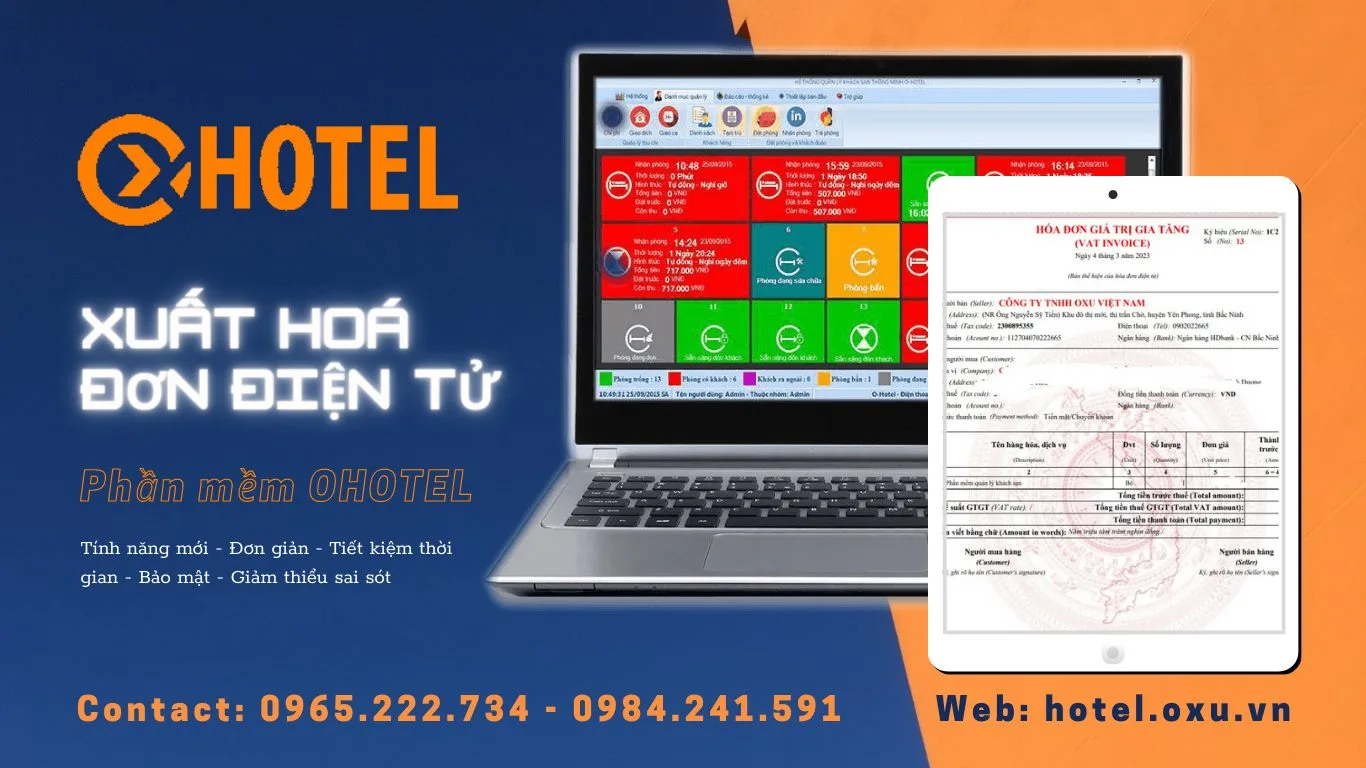
OHOTEL issues e-invoices directly in the software
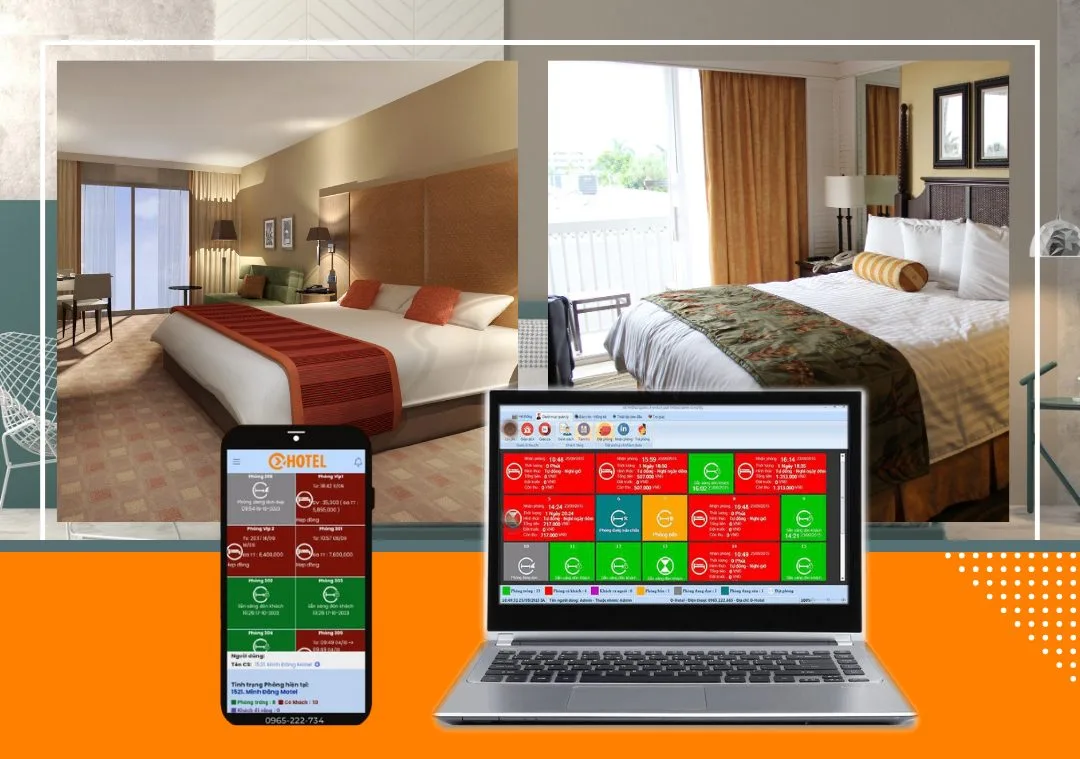
Many hotel management systems still cannot issue e-invoices directly. OHOTEL hotel management software issues e-invoices as soon as you complete the payment step – fast, convenient and easy to use. Contact us for advice on using OHOTEL!