In the hotel business, beautiful rooms and a good location are not enough. Long-term success depends on a professional hotel management system. A good system controls rooms, revenue, staff and costs, keeps the hotel running smoothly and prevents losses. Without it – with scattered management and no processes – a hotel easily leaks money, becomes overloaded and struggles to grow.
So how do you build a proper hotel management system from the start? This guide walks you through each step, from the basics to modern technology, so you can build a professional and sustainable operation.
1. What is a hotel management system?
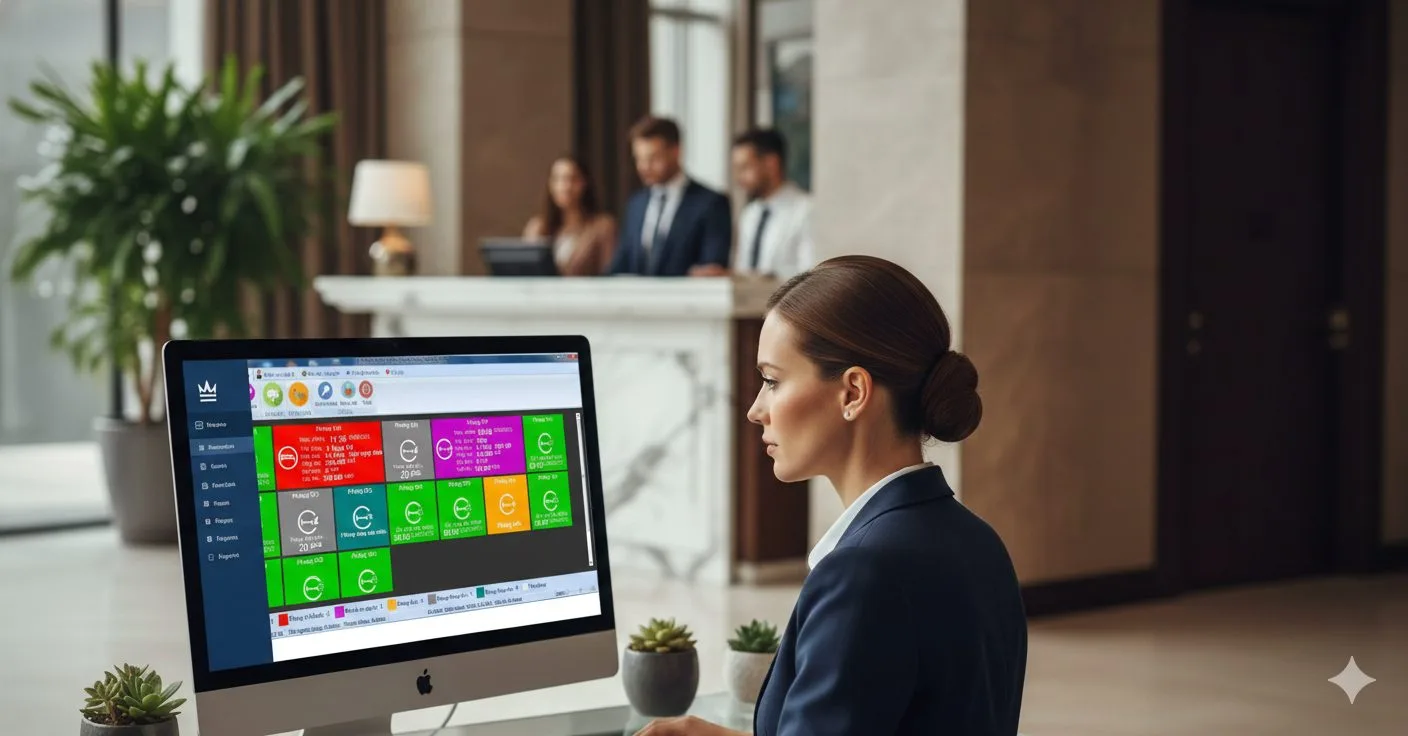
A hotel management system is the set of processes, tools and software that control all operations, including:
- Room management
- Guest management
- Booking management
- Revenue management
- Staff management
- Sales channel management
- Reporting and analysis
A professional system not only makes current operations efficient but also lays the foundation for future growth.
2. Why build a management system from day one?
Many new owners run their hotel manually with notebooks or Excel. This may work at first, but as guest numbers grow, problems appear:
- Wrong room status
- Revenue errors
- No control over staff
- Not knowing where guests come from
- Difficulty scaling up
Building a system from the start reduces errors, saves money, improves efficiency and makes expansion easy.
3. Step 1: Map your hotel's operating workflow
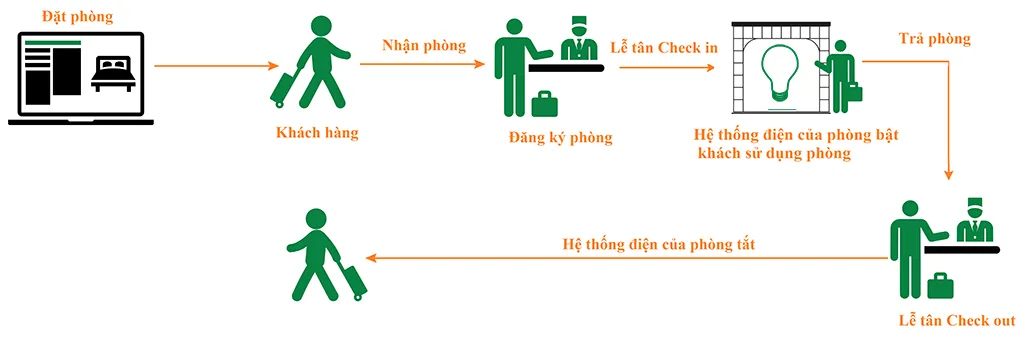
First, define clearly how your hotel works. The basic workflow:
- Booking – guests come from OTAs, the website, phone or walk-ins
- Check-in – enter guest details and assign the room
- Stay – track time and services used
- Check-out – take payment and update room status
- Reporting – revenue and occupancy
This map is the foundation of your whole management system.
4. Step 2: Set up room management
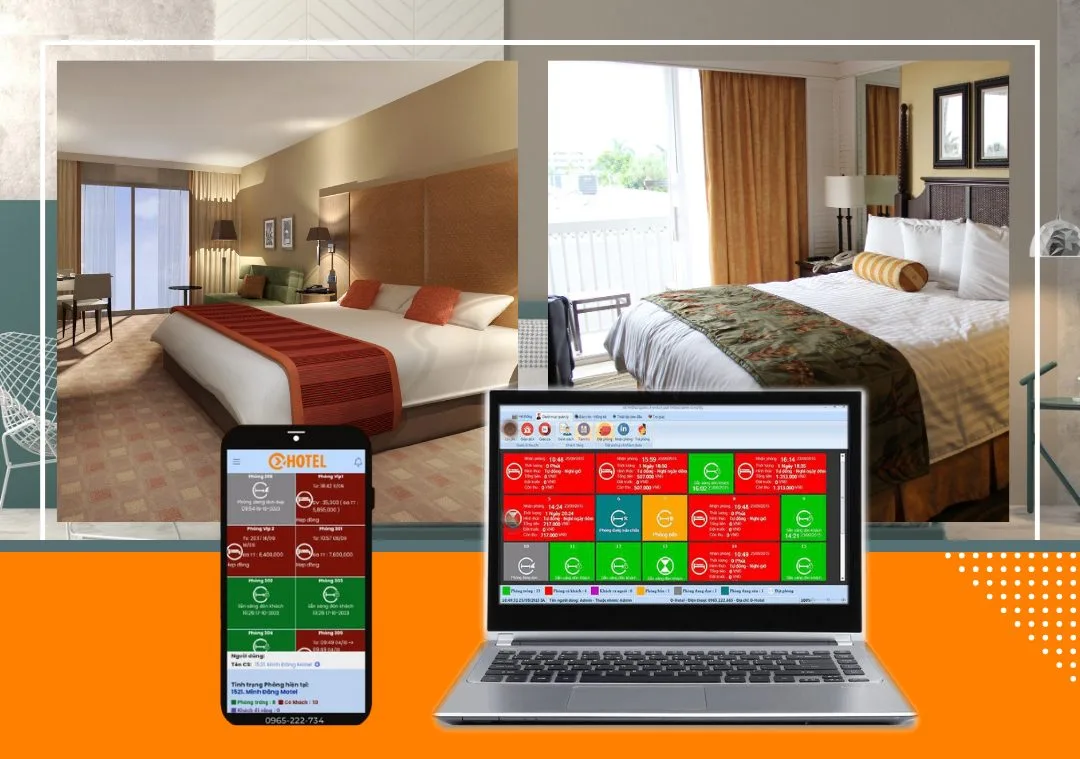
Room management is the core of a hotel. Define the total number of rooms, room types, rates and room status. Basic room statuses are: vacant, occupied, being cleaned and under maintenance. Without clear management you risk double bookings, overlooked vacant rooms and lost revenue.
5. Step 3: Standardise check-in and check-out
These processes happen every day and must be fast, accurate and error-free.
- Check-in: enter guest details, choose a room, confirm the rate
- Check-out: check the time, take payment, release the room
Clear processes reduce disputes and improve the guest experience.
6. Step 4: Build a revenue management system
One of the biggest mistakes is not tracking revenue in real time. You need to know revenue today, by room, by staff member and by guest source. Without accurate data you cannot tell whether the hotel is really profitable.
7. Step 5: Build a room rate management system
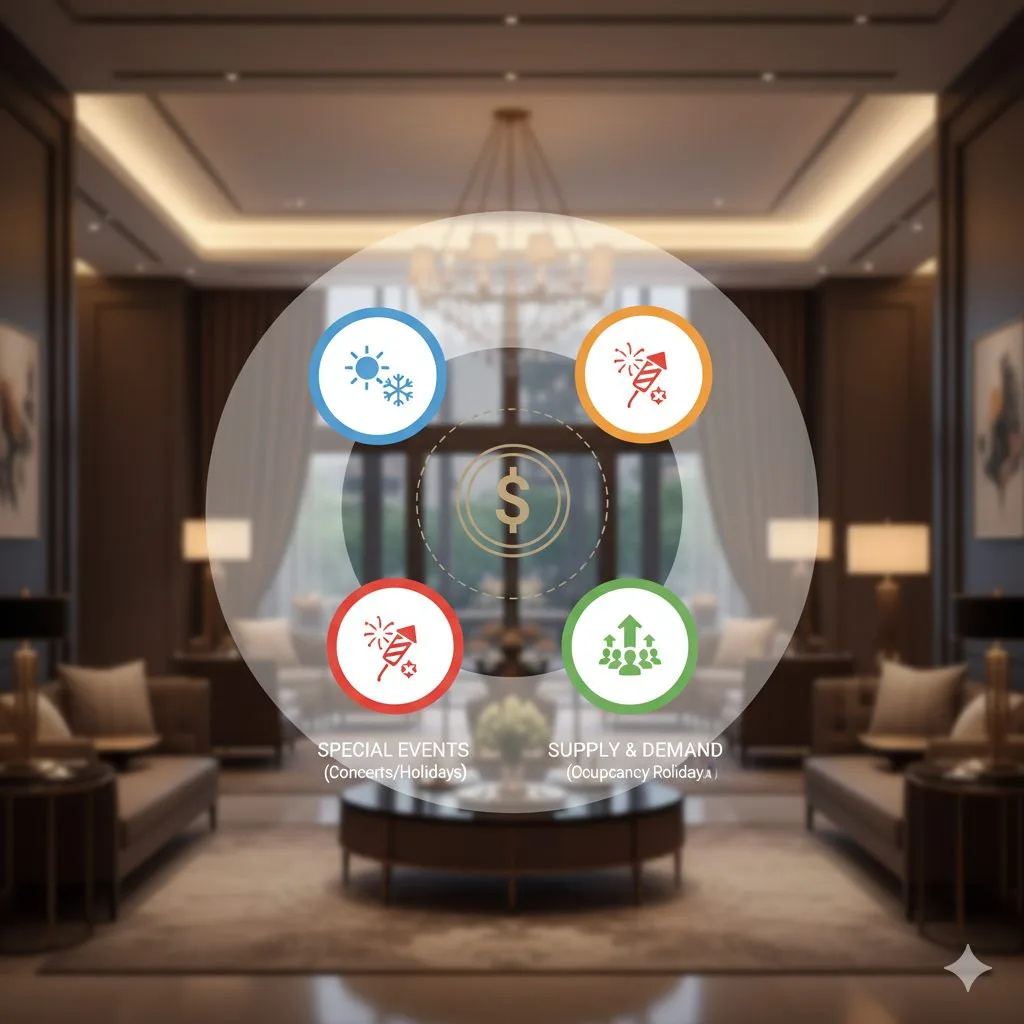
Room rates should not be fixed. Adjust them for weekdays, weekends, holidays and peak season. Good rate management increases both revenue and occupancy.
8. Step 6: Manage sales channels
Hotels now sell through OTAs, their website, Facebook and walk-ins. Without centralised management you will get wrong prices, overbooking and lost guests – which is why you need a channel manager.
9. Step 7: Build a staff management system
Even small hotels need clear staff management: user permissions, activity tracking and shift control. This prevents fraud and increases accountability.
10. Step 8: Build a reporting system
Reports give owners a full picture of the business. Key reports include daily revenue, monthly revenue, occupancy and guest sources, so you can adjust your strategy.
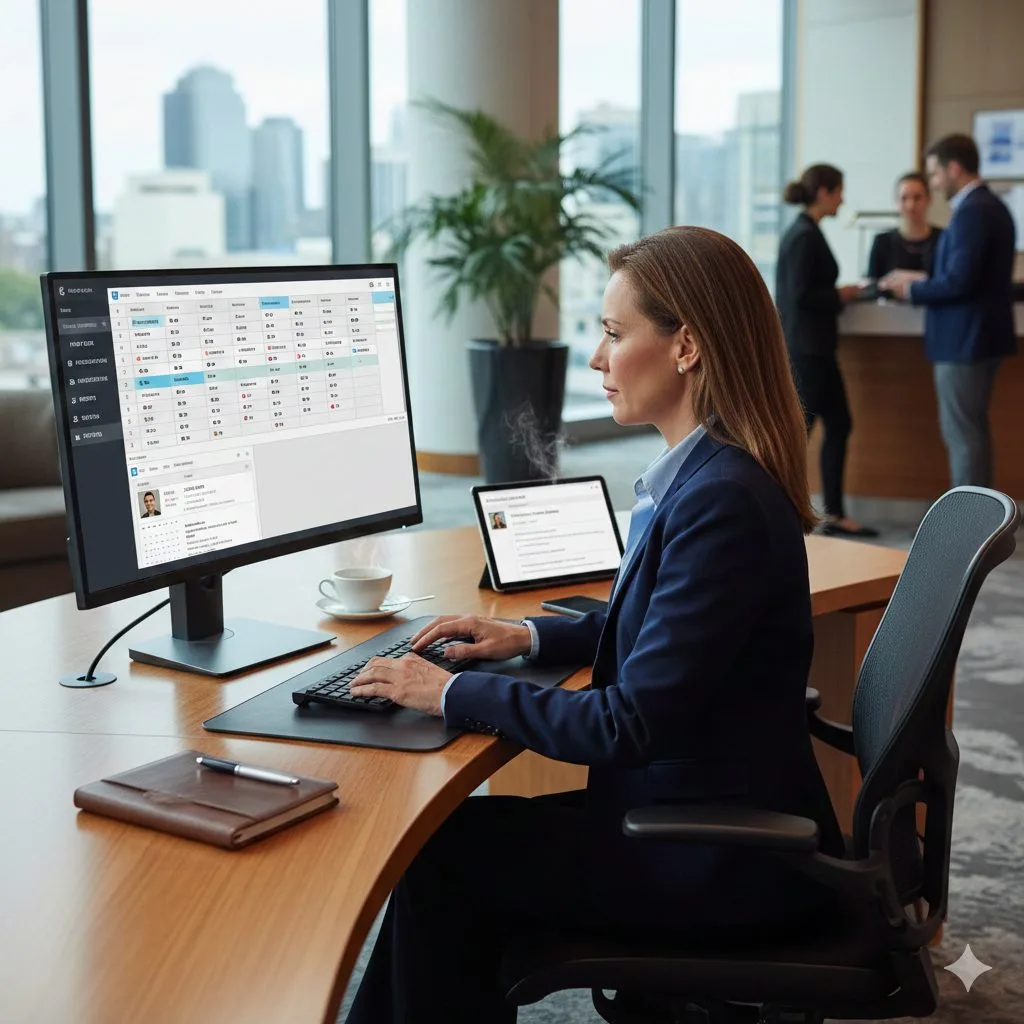
11. Step 9: Use hotel management software
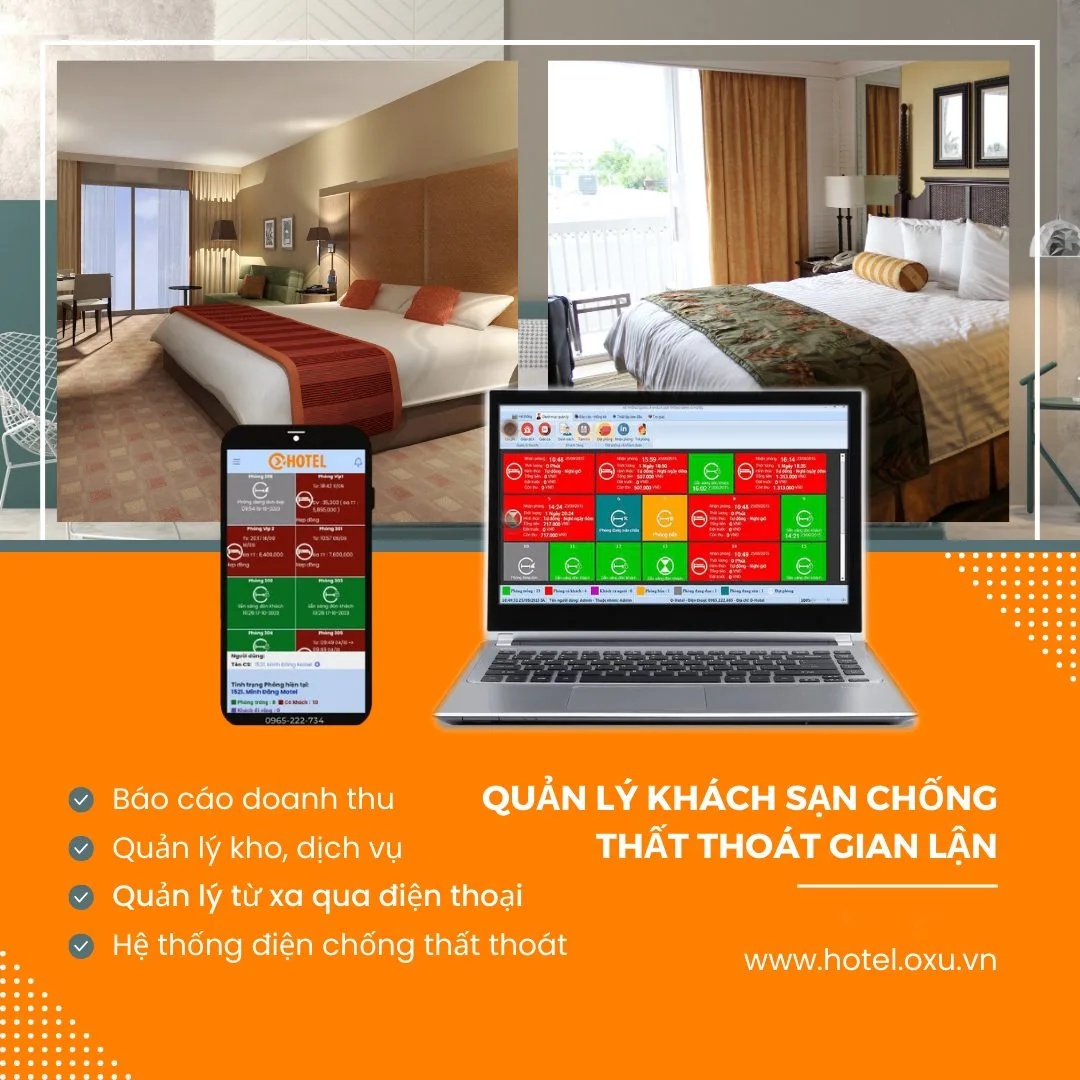
This is the most important step. Software manages rooms, guests, rates, OTAs and reports. Benefits:
- Automation – no more notebooks
- Fewer errors – everything is synchronised
- Remote control – owners can manage from anywhere
12. Step 10: Connect smart devices
Professional systems usually connect to:
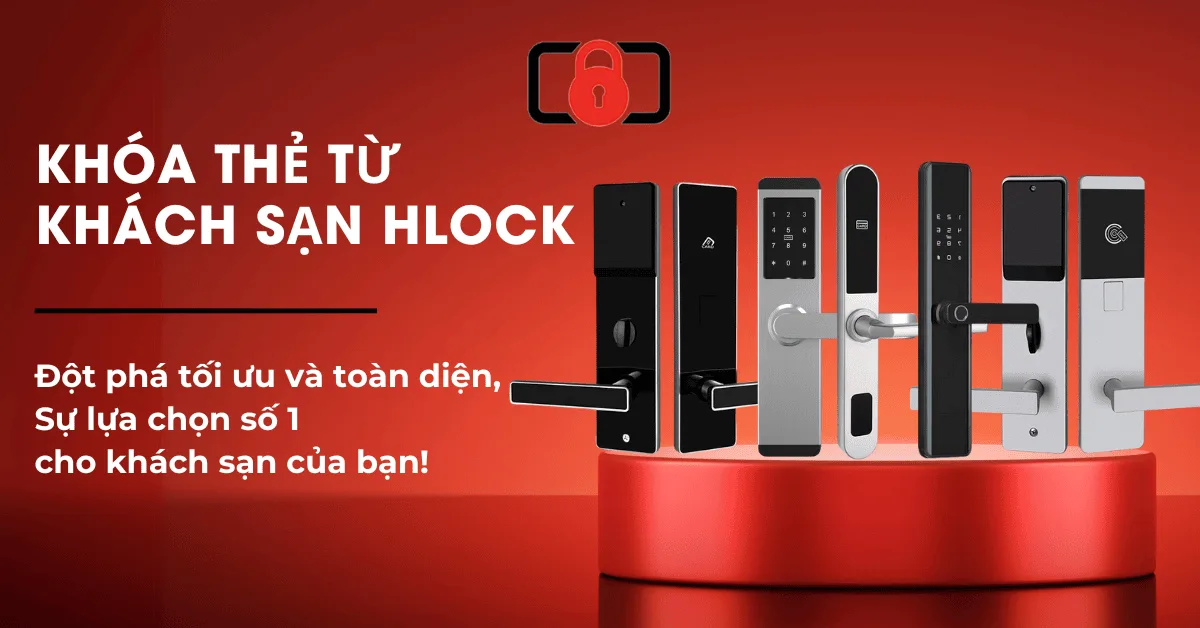
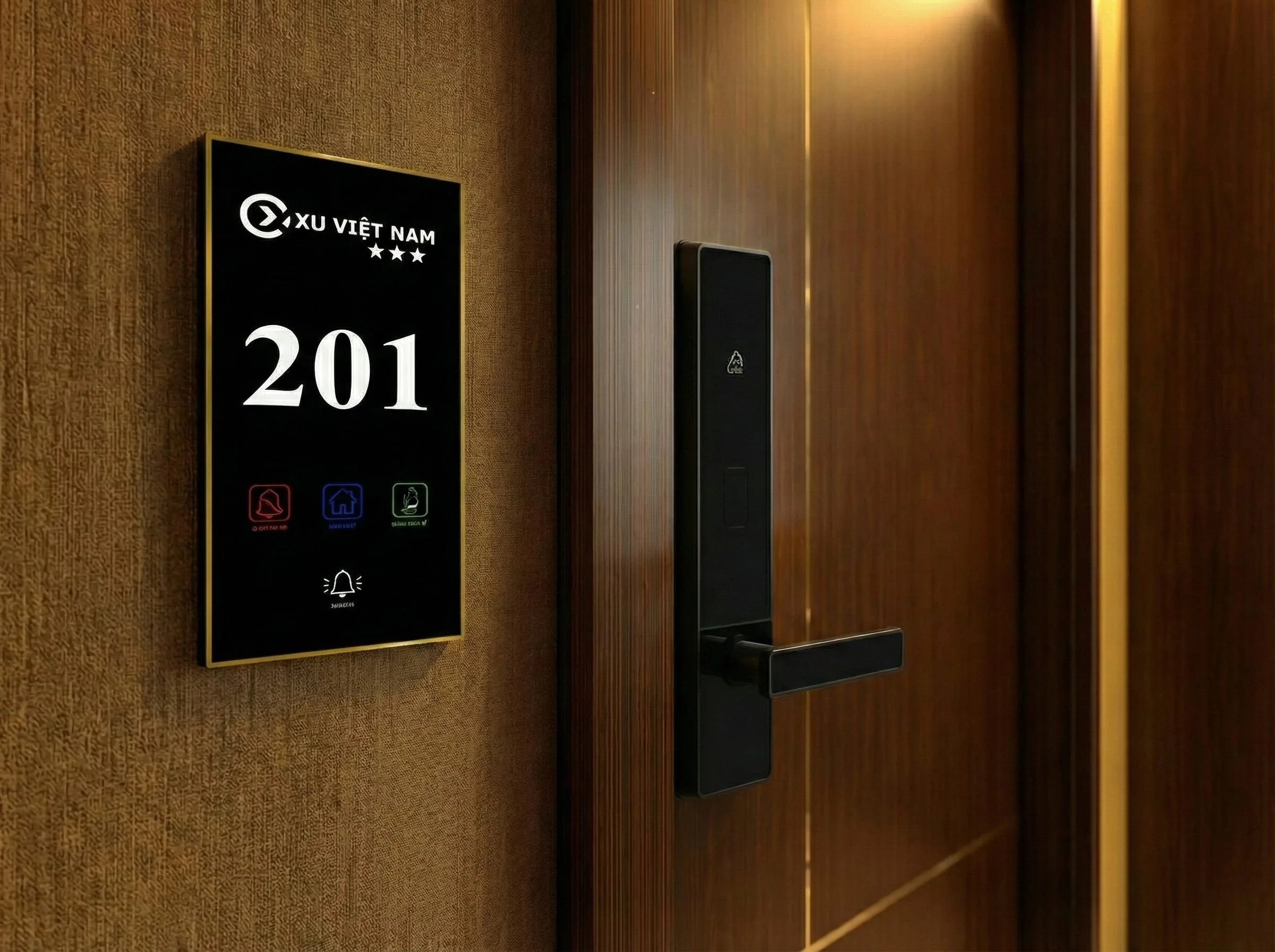
- Key card locks – automatic access rights and better security
- Electronic room number signs – showing room status
- Power management – preventing waste and losses
13. Step 11: Build multi-property management
If you plan to expand, your system must support managing several hotels, centralised reports and remote control – the foundation for building a chain.
14. Step 12: Create standard operating procedures (SOPs)
SOPs are standard instructions for staff covering check-in, check-out, housekeeping and incident handling. They make training easier and operations stable.
15. Step 13: Optimise the guest experience
Satisfied guests come back. Focus on fast check-in, clean rooms and good service.

16. Step 14: Control costs
Electricity, water and staff costs all add up. Good management increases profit.
17. Step 15: Monitor and improve continuously
Your system needs regular optimisation. Track revenue, occupancy and efficiency.
18. Common mistakes when building a management system
- Managing with notebooks – error-prone
- Not using software – hard to control
- No processes – chaotic operations
19. A modern hotel management system in 2026
A standard system includes:
- Hotel management software
- Channel Manager
- Smart locks
- Automatic room power management
20. Benefits of a professional management system
- Higher revenue – no rooms overlooked
- Fewer losses – better control
- Fewer staff hours – automation
- Easy expansion – manage multiple branches
Conclusion: a management system is the foundation of hotel success
A hotel that wants to operate efficiently and grow long-term needs a professional management system. Building it from the start helps you control every activity, reduce risk, optimise revenue and prepare for expansion. In today's technology era, management software and automation are no longer optional – they are essential to compete and grow sustainably. Discover OHOTEL hotel management software.