For decades, luxury in hospitality meant pampering, perfect comfort and flawless service – hand-picked pillows, door-to-door transfers and every request fulfilled before guests even asked. Premium brands made "perfection" the standard. But when perfection becomes common, its value declines. Today, guests want more than comfort; they long for meaningful experiences and moments that help them grow and discover themselves.
This is where "calibrated discomfort" has emerged as a new trend reshaping luxury. It is not a lack of professionalism, but the creation of safe, controlled challenges that guests can overcome, producing deep and memorable emotions.
Four principles for designing transformational experiences
According to Dr Antonescu, the key to designing transformational experiences rests on four principles:
- Flow theory: as in psychology, "flow" is the state in which guests are fully immersed in an activity where challenge perfectly balances skill. Hotels must turn guests from passive recipients into active participants.
- Designing peak moments (the EPIC framework): memorable experiences involve Elevation, Pride, Insight and Connection. Deliberate "discomfort" is what triggers these emotions.
- Deep listening: instead of only listening to wishes, hotels should understand guests' deeper values, emotions and aspirations.
- Shared experiences: the most powerful transformational moments often happen when shared with others, creating a sense of belonging and connection.
Recommendations for Vietnamese hotels
For Vietnam's fast-growing hotel industry, embracing this trend is vital to stand out. Here are some concrete recommendations.
1. Move from "service" to "transformational experiences"
Instead of focusing only on perfect service, design activities that let guests take part and discover themselves. For resorts, go beyond regular yoga classes with silent meditation in an unspoilt location or a hike that involves a small challenge to reach a stunning view. For city hotels, offer cooking workshops with top chefs where guests learn not just recipes but the story of Vietnamese food culture, or local tours where they explore and interact with the community themselves.

2. Design "imperfect" highlights
Create unexpected, unscripted moments that spark emotion. This doesn't mean poor service – it means small, deliberate "friction". For example, a tour of a traditional craft village where guests find their own way and learn to communicate with locals creates far more pride and understanding than a fully arranged package tour.
3. Use local culture to create connection
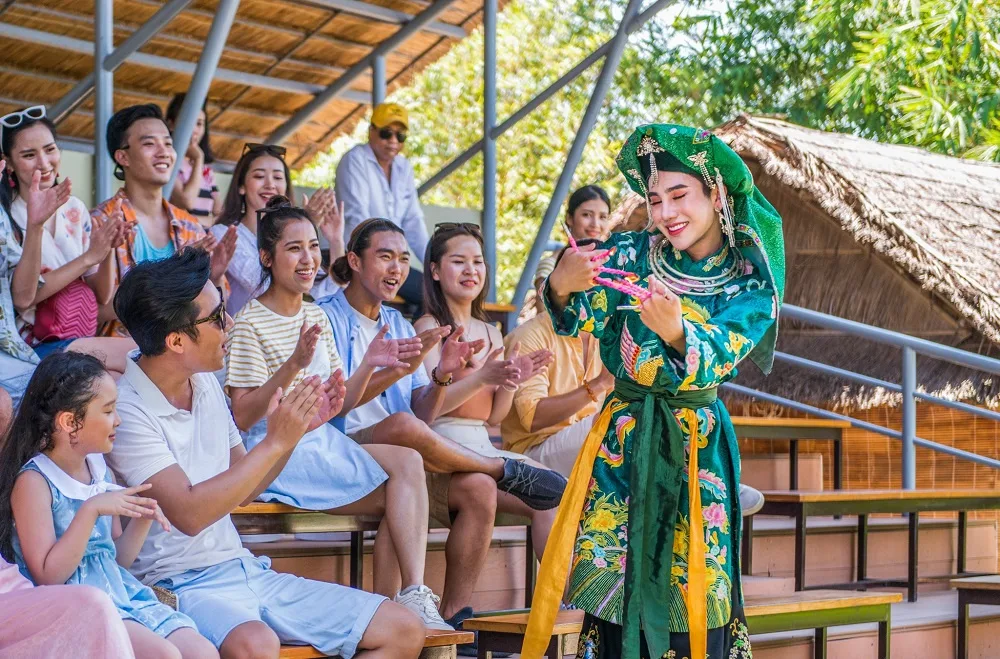
Vietnam has a rich and diverse culture. Hotels can use it to create highly connected shared experiences: folk storytelling evenings around a fire, cultural performances guests can join, or community meals with local people. Guests not only experience the culture but feel part of the community.

4. Measure "transformation", not just "satisfaction"
Instead of relying only on NPS or satisfaction surveys, encourage guests to share stories and positive changes they felt after the trip. Ask, for example: "Which moment of this trip made you proudest?" or "Did you discover something new about yourself?"
In short, in an era when pampering has become too familiar, Vietnamese hotels need the courage to step out of their comfort zone. By designing deep experiences where "discomfort" is safely and purposefully calibrated, we don't just sell a room – we sell a story and a personal journey of transformation. That is the path to differentiation and lasting loyalty in the new era.
What do you think about applying "calibrated discomfort" experiences to your business?