
Spas are now a money-making service for many hotels. A hotel spa not only meets guests' needs but also boosts revenue quickly. Guests who enjoy it are drawn back on future visits. Spas also diversify service packages, raise the hotel's prestige and are one of the criteria for star ratings. Used well, a spa can generate significant income during low season.
Define your target guests
For any service, the first and most important step is defining your target customers – and the same goes for a hotel spa. Identify and segment potential guests: tourists, international visitors, business travellers, age groups and so on. Then develop strategies and service packages that fit each group's psychology, and avoid investing in services that aren't popular.
For example, high-income guests often use spa services when on holiday, especially relaxing massages and skincare. That's why hotels of 3 stars and above, and resorts, promote and integrate these services to give guests maximum comfort.
Offer attractive spa services
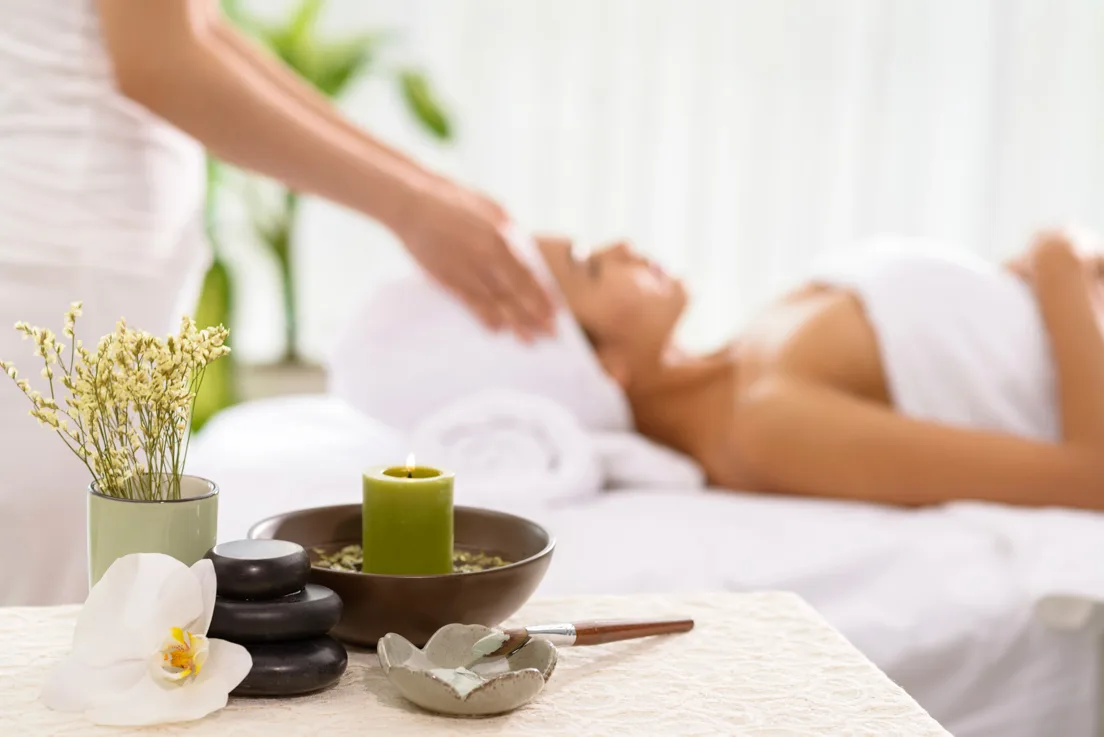
Spas offer many health and beauty packages. Research demand and choose packages that attract guests and generate profit quickly. Full-body massage is popular, for example – but instead of a generic name, call it "Thai-style massage" or "Chinese-style massage" to spark curiosity.
Keep investing in your spa to retain existing guests, and compete with similar properties by offering facilities they don't have. If your hotel has plenty of space, consider an indoor or outdoor jacuzzi and a variety of saunas (dry, steam, infrared).
Build policies to attract guests
Spa customers include both hotel guests and outside visitors, with different needs, so use flexible approaches. You could offer a free spa service with room bookings, or discounts for guests who use the spa. For outside visitors who don't need a room, run promotions, gifts or discounts, as they tend to look for affordable, cost-saving services. OXU's massage and spa management software can help you run it efficiently.