
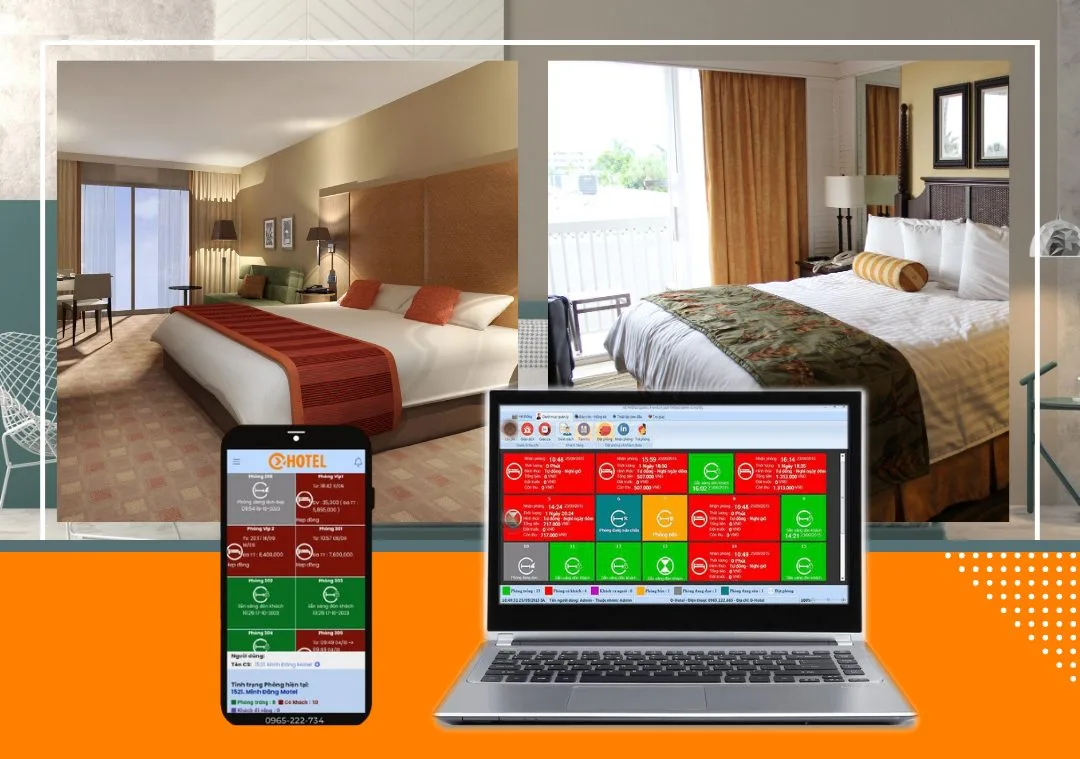
Starting a hotel, guesthouse or homestay business is an attractive opportunity but carries real risks if the owner lacks management experience. In reality, many new hotels perform poorly – not because of a lack of guests, but because they are managed the wrong way, leading to revenue leakage, high costs and chaotic operations. This article brings together effective hotel management tips for first-time owners to help you avoid common mistakes and build a sustainable operation from day one.
Understand your hotel business model
Before you start operating, define clearly which business model you are pursuing: a mini hotel, guesthouse, homestay, mid-range hotel or an unstaffed (self check-in) model. Each has different guests, lengths of stay, prices and management needs. Understanding your model helps you build suitable processes instead of copying what works elsewhere.

Standardise management processes from the start
A common mistake is running the hotel on instinct and fixing things as you go. This leads to chaos when there are many guests or when the owner is away. From the beginning, build basic processes for check-in and check-out, housekeeping, incident handling, revenue recording and end-of-day reporting. The clearer the processes, the easier it is to train staff and control operations.
Manage rooms tightly to prevent losses
Room management is at the heart of the hotel business. New owners often face wrong room statuses, double bookings, forgetting to block rooms under maintenance or losing track of check-out times. These errors not only lose revenue but also seriously harm the guest experience. Tracking room status clearly and updating it continuously keeps operations running smoothly.
Control revenue transparently, without relying on people
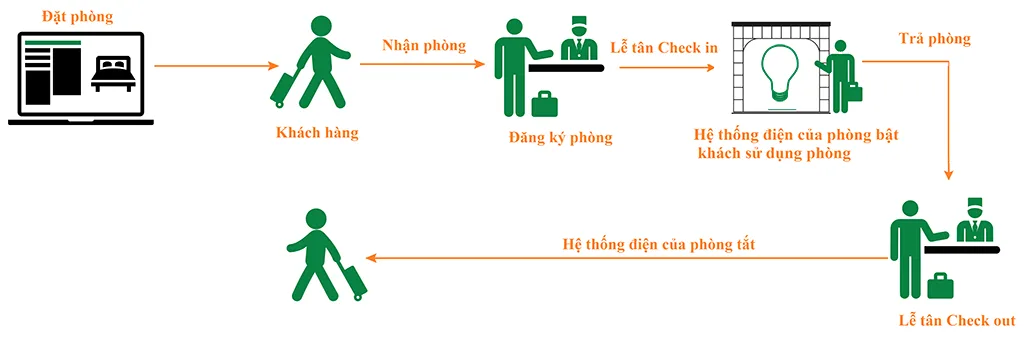
Many new owners leave all cash handling and reporting to receptionists or shift managers, which creates a risk of discrepancies or losses that go unnoticed. Separate operations from control: owners should see revenue by day, by shift and by guest source transparently, without depending entirely on manual reports.
Use hotel management software from the start
Instead of scattered notebooks or Excel files, new owners should invest in hotel management software early. It manages rooms, guests, revenue, rates and staff in one system. Many solutions today are affordable for small hotels yet deliver big results – fewer errors, time savings and easy expansion later. See OHOTEL hotel management software.
Price flexibly but strategically
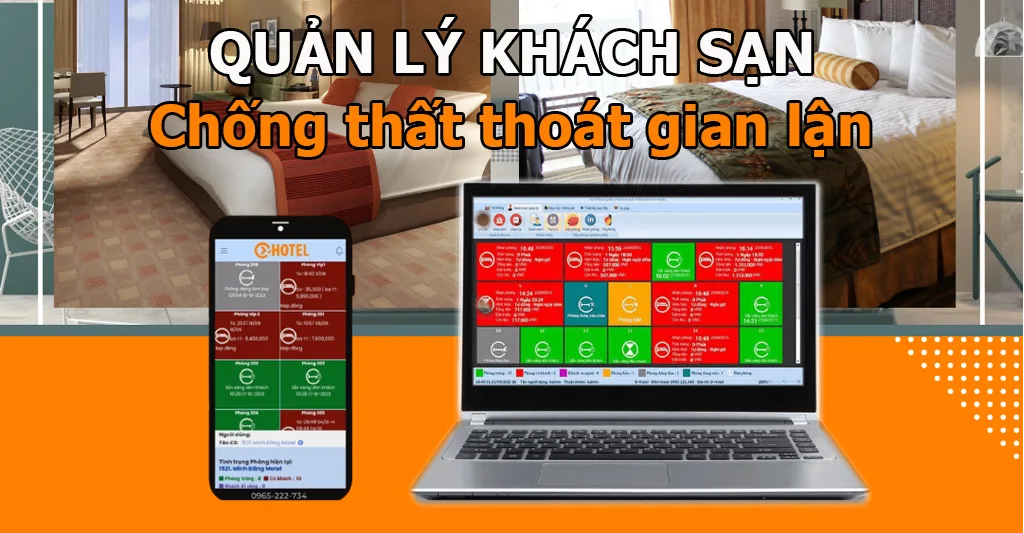
Pricing is a tough challenge for many new owners. Prices that are too high make rooms hard to sell; prices that are too low reduce profit and damage the brand. Monitor the market and nearby competitors, and set different rates for weekdays, weekends, peak and low seasons. If you sell through OTAs, pay special attention to synchronising rates and availability to avoid wrong prices or overbooking.
Don't overlook operating costs
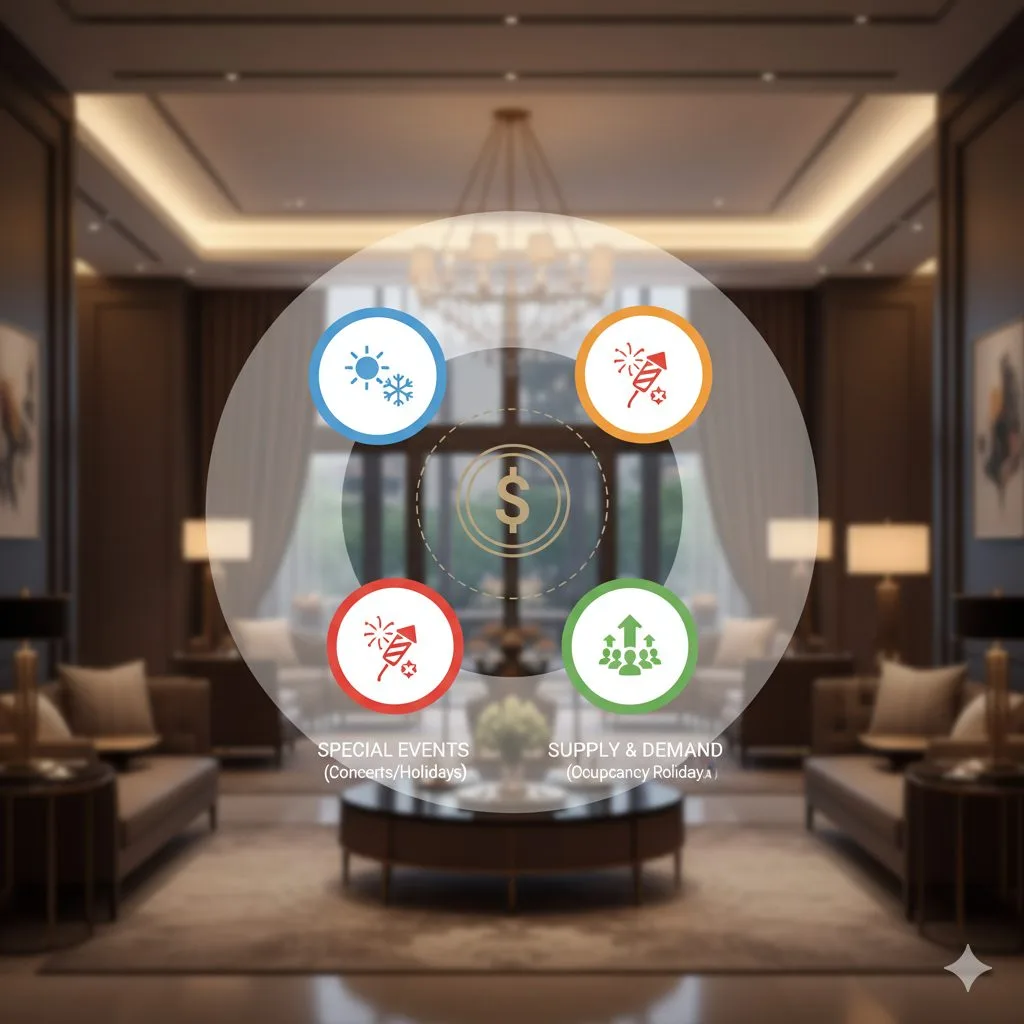
Good revenue with high costs still means no profit. New owners often neglect "small but numerous" costs such as electricity, water, room supplies, laundry and internal wastage. Controlling power usage, room usage time and efficient housekeeping significantly reduces costs, especially for small hotels and guesthouses.
Keep staff management simple but effective
New hotels usually have small teams, but without clear permissions, responsibilities overlap. Each role needs specific duties, clear authority and controls on what they can do. This reduces fraud, increases accountability and lets owners feel at ease when they are not on site.
Focus on the guest experience
Satisfied guests are critical to a hotel's survival, especially early on. Focus on the basics: clean rooms, fast check-in, transparent information and timely support. A good experience keeps guests coming back and generates positive reviews on OTAs and social media, increasing organic bookings.

Track your numbers and improve continuously
Effective hotel management is not a one-off task but a continuous cycle of monitoring, evaluating and adjusting. Review revenue, occupancy, guest sources and costs regularly to spot problems early, then adjust prices, processes or operations to fit reality.
Conclusion: manage well from the start for long-term success
For first-time owners, effective management is not about complexity but about doing the core things right – understanding your model, standardising processes, controlling revenue and using suitable management technology. With a solid management foundation from the start, scaling up and growing in the future becomes much easier.