Managing multiple branches is a real headache for hotel owners. With one property, hands-on management is still possible. But once you expand to two, three or more branches, many owners find that:
- They cannot be at every property at once
- They depend too much on on-site managers
- It is hard to control revenue, availability and pricing
- Fraud and losses go undetected
So the big question is: how can you manage several hotel branches effectively without being there in person? The answer lies in a tightly integrated management system.
1. Why traditional multi-branch management often fails
1.1 Dependence on people at each property
In the traditional model, operations depend heavily on on-site staff, especially branch managers or head receptionists. Giving them full authority makes it hard for the owner to see what is really happening. Revenue reports, room status and daily incidents rely on each individual's honesty and competence, which leads to inaccurate figures, late detection of problems and a risk of fraud. As you grow, one weak link can affect the whole system.

1.2 Fragmented, unsynchronised data
Each branch may use different records, templates or tools – often separate notebooks or Excel files. Information on rooms, guests, revenue and prices is not updated consistently in real time, so the owner cannot see the big picture, discrepancies go unnoticed and decisions are less accurate.
1.3 No control over rooms, rates and sales channels
Without a central system, room status, prices and distribution channels become disconnected between branches. Rooms that are sold out still appear on OTAs, prices differ between channels and each branch adjusts rates its own way. This causes overbooking, unwanted cancellations, brand damage and lost revenue – and makes it hard to build a stable business as you grow.
2. Core principles for managing branches remotely
To stay in control without being on site, follow three principles:
- Principle 1: centralised management, distributed operations
- Principle 2: real-time, transparent data
- Principle 3: less dependence on people, more automation
The most important tool for all three is multi-property hotel management software (PMS).
3. Hotel management software – the "brain" of remote management
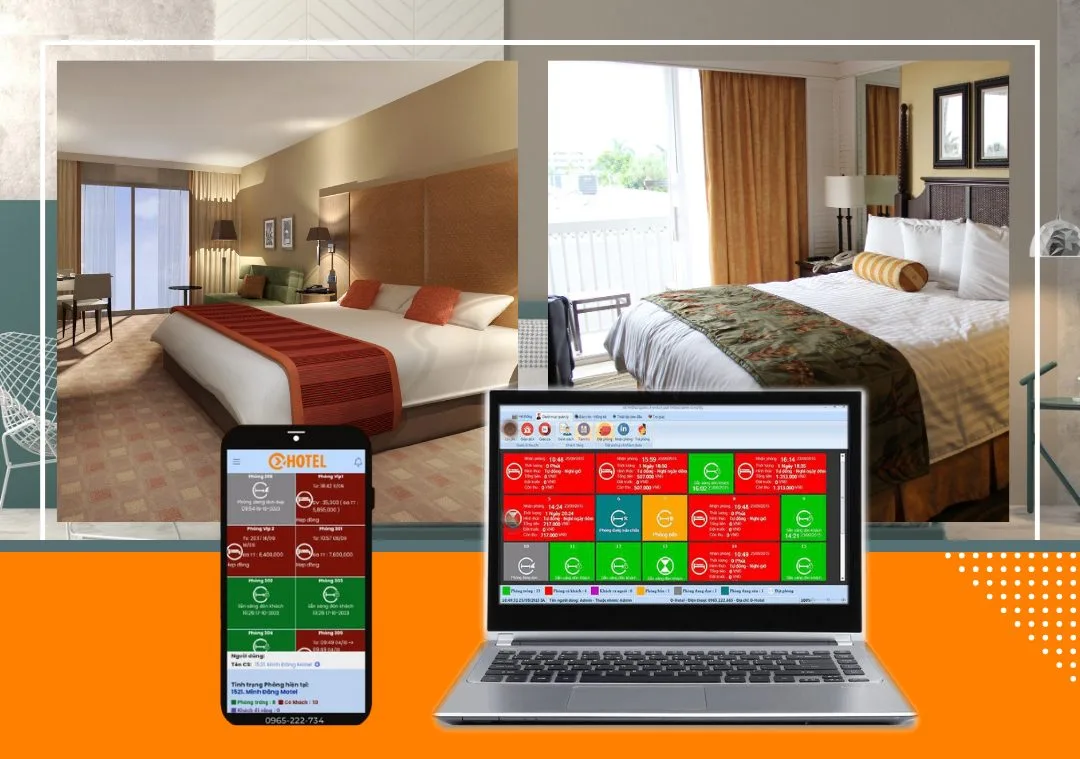
3.1 Manage all branches in one system
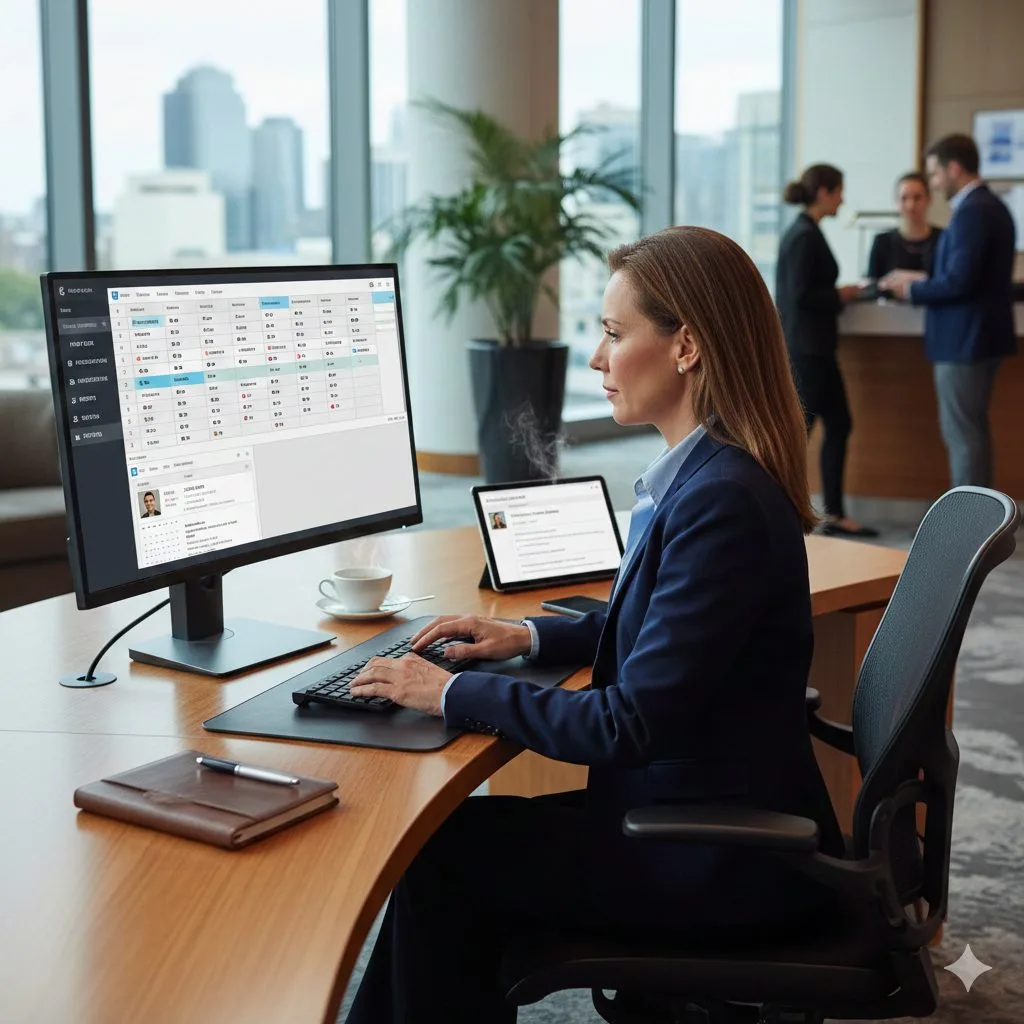
With multi-property hotel software, all data on rooms, guests, revenue, rates and operations is updated in real time on one platform. Owners can track and compare branch performance, spot anomalies early and act quickly – without relying on manual reports. This creates a solid foundation for expanding and running your hotels professionally and consistently.
3.2 Track revenue in real time
Every transaction at every branch – room charges, surcharges and services – is recorded instantly. Owners can view revenue by shift, day or month, or compare branches on a single screen, so irregularities and losses are detected early.
3.3 Clear permissions, tight control
Each staff member gets permissions matching their role – receptionist, manager, accountant or technician – and can only act within that scope. Every action is logged and traceable, minimising errors, fraud and abuse of authority. Owners always know who did what, where and when.
4. Managing rooms and check-in/check-out remotely
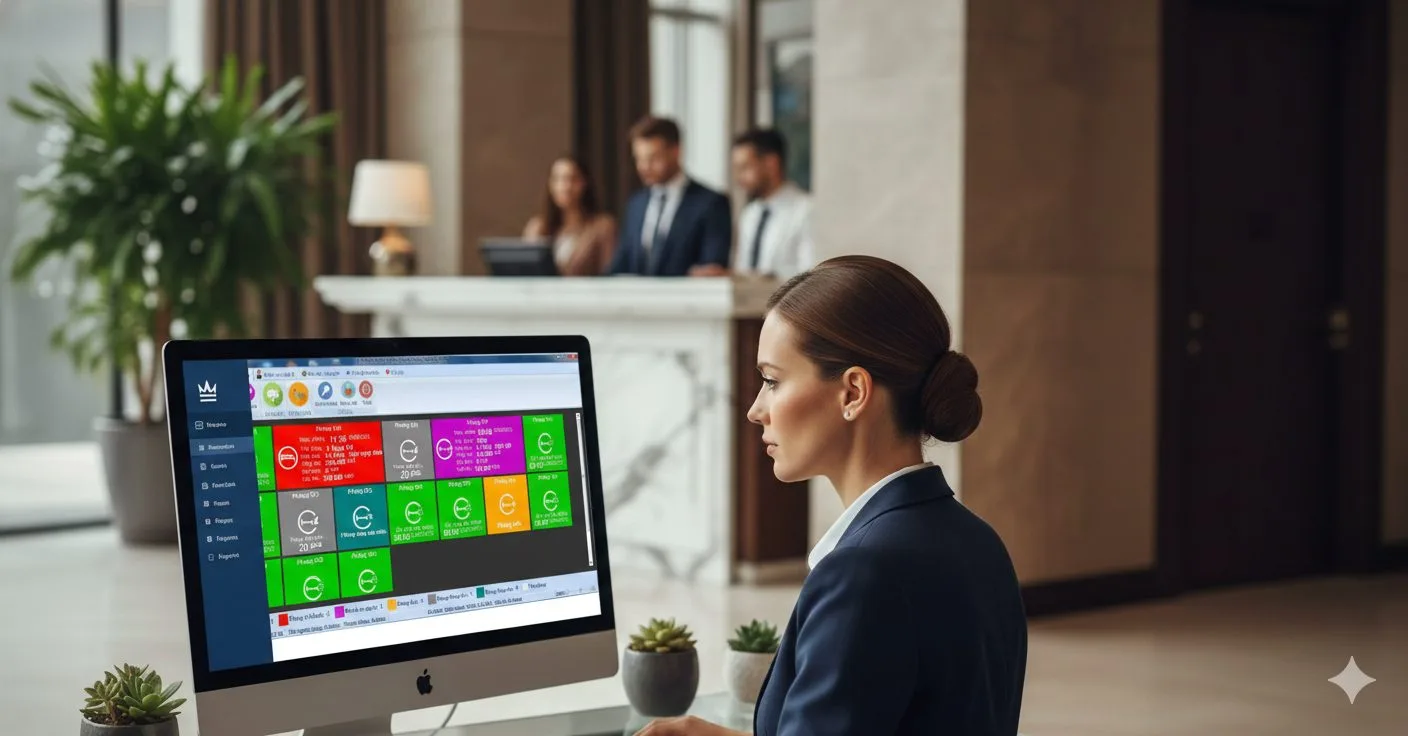
4.1 Automatic room status updates
Every check-in, check-out, booking, cancellation or maintenance block is recorded and synchronised instantly. Room status is always clear, avoiding confusion between departments, double bookings or rooms left empty unnecessarily.
4.2 Check-in and check-out without the owner
With hotel software and automation, check-in and check-out run smoothly without the owner present. Receptionists work in the system, or guests can check in themselves with a QR code, kiosk or smart key card connected to the software. Stay details, room access times and charges are recorded automatically.
5. Selling multiple branches on OTAs without chaos
5.1 Synchronise rates and availability with a Channel Manager
A Channel Manager synchronises prices and availability across all OTAs and direct channels. Any rate change, room closure or new booking is updated everywhere in real time, preventing wrong prices, overbooking and unsold rooms.
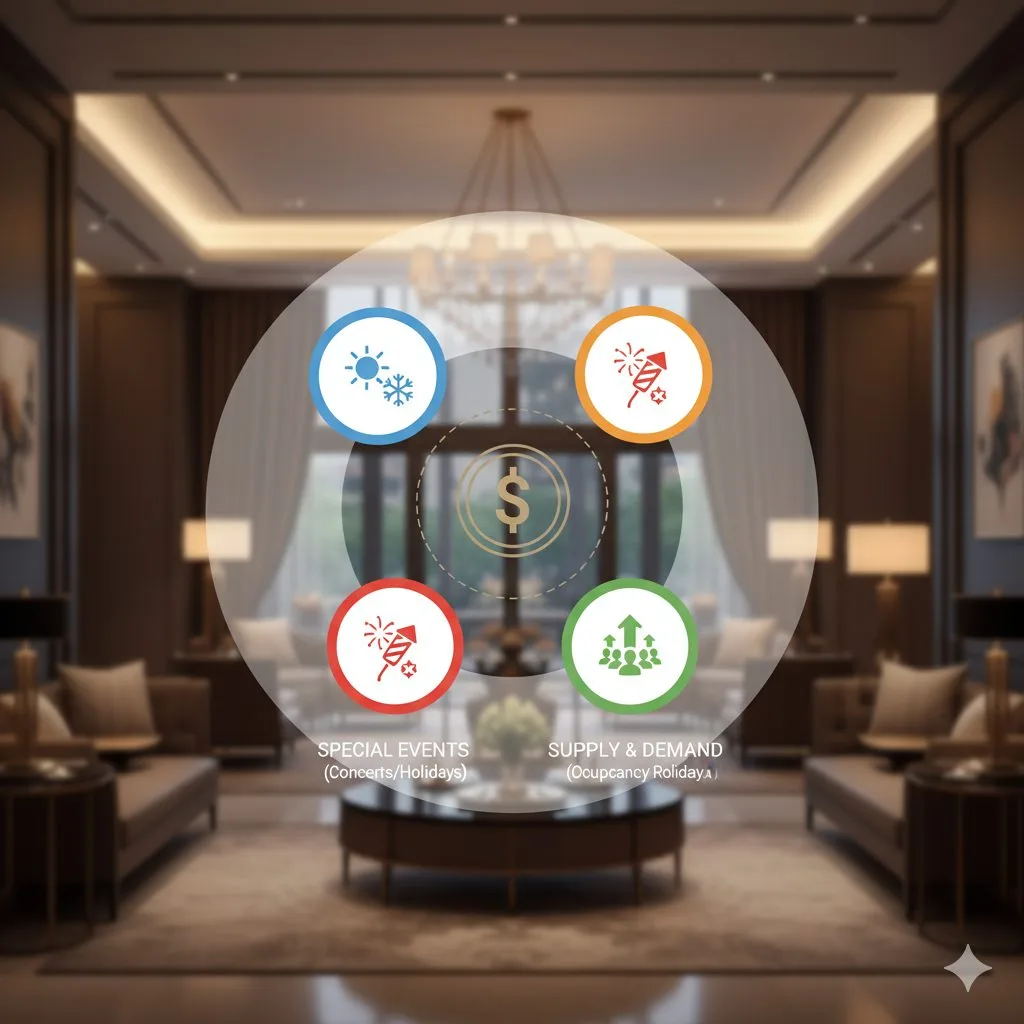
5.2 Centralised pricing strategy
Seasonal rates, peak and off-peak pricing, promotions and channel-specific policies are set once and applied across all branches from a single interface. Prices stay consistent, protecting your brand and optimising revenue.
6. Controlling branch staff when you are not there
6.1 Activity history in the software
Every user action – creating bookings, changing rates, check-ins, check-outs, editing guest details or cancelling transactions – is logged by time, account and branch. You can trace the cause of errors, detect suspicious behaviour and increase staff accountability.
6.2 Automatic reports, independent of people
The system automatically compiles revenue, occupancy, booking sources and channel performance in real time. With no human bias or error, reports are consistent and easy to compare between branches.
7. Keeping multiple branches secure
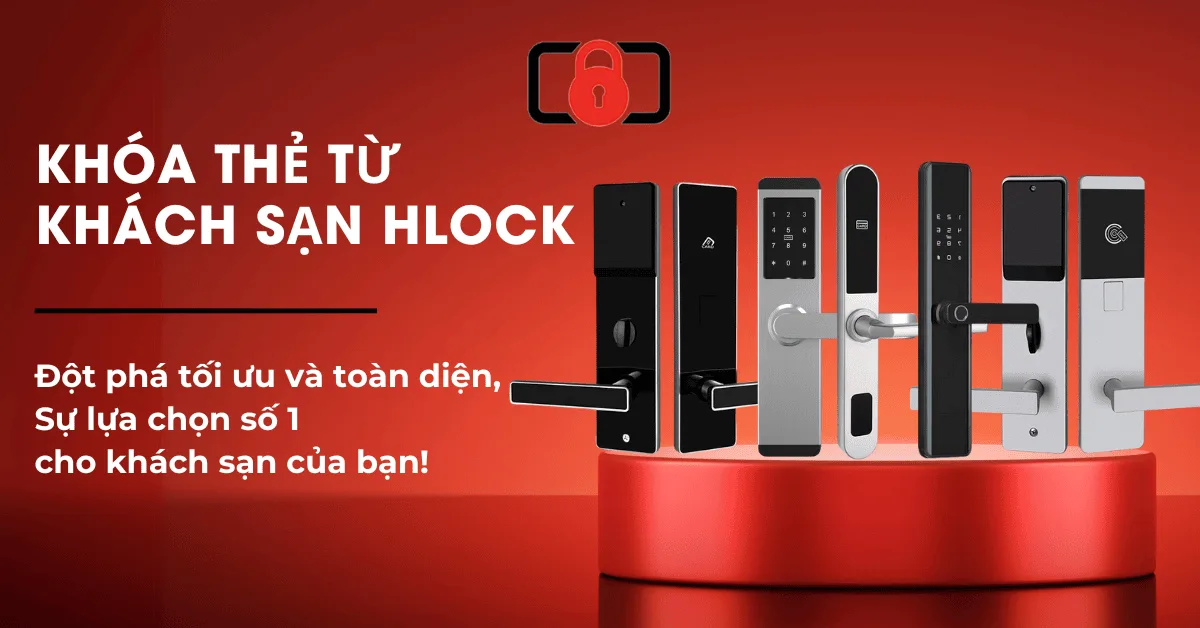
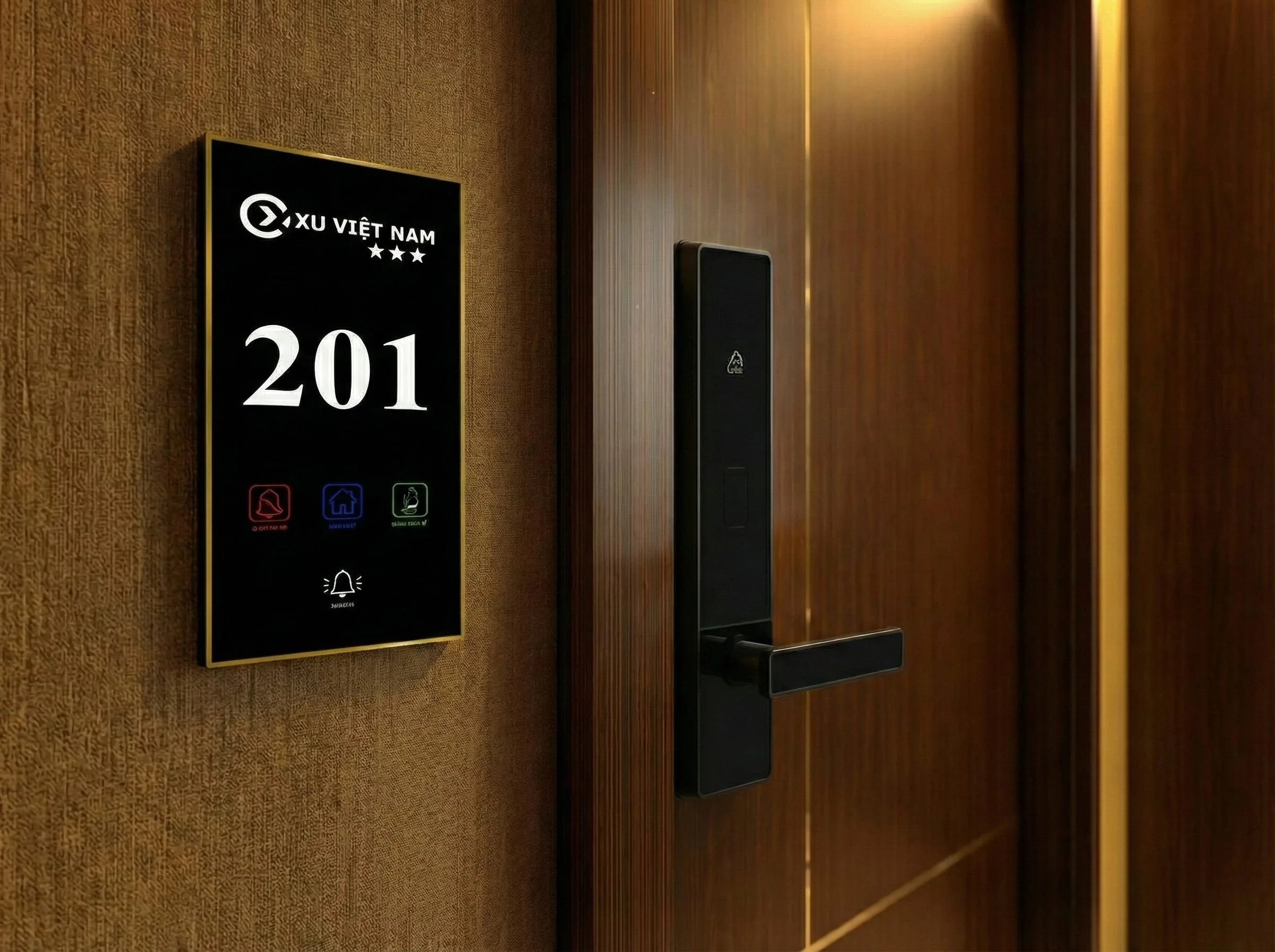
7.1 Key card and smart locks
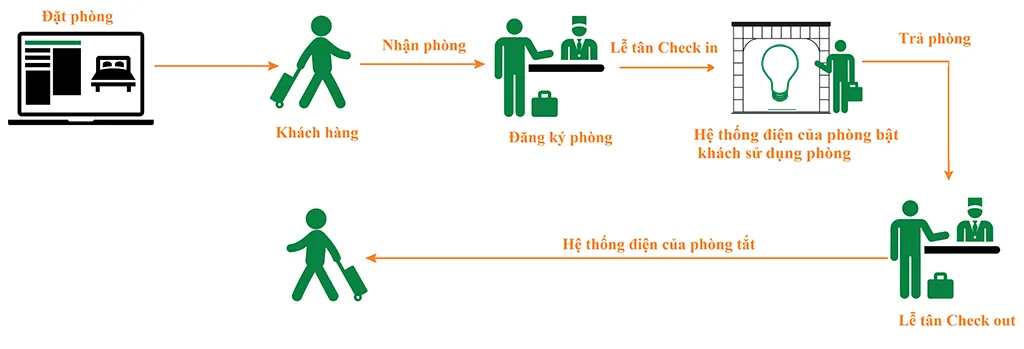
Integrating key card locks with your hotel software fully automates room access. Access is granted for the exact length of stay and expires at check-out. Owners can grant or revoke access remotely, eliminating manual card handling.
7.2 Automatic power management to prevent fraud
Room power is activated only when a valid guest is checked in and switched off automatically at check-out or when the room is unused. This prevents unauthorised use of electricity and air conditioning, misuse of rooms and internal fraud, while cutting energy costs.
8. Which models suit remote multi-branch management?
- Mini hotel chains
- Guesthouses with several locations
- Homestay chains
- Serviced apartments
- Unstaffed (no-reception) hotels
The more branches you have, the clearer the benefits of remote management.
9. Mistakes to avoid when managing hotels remotely
- Using different software at each branch
- Trusting manual reports completely
- Not setting clear permissions
- Not synchronising OTAs
Your technology must be synchronised, centralised and consistent.
Conclusion: not on site, but fully in control
Managing multiple hotel branches no longer requires the owner to be at every property. With centralised software, a Channel Manager, key card locks and automation, everything from rooms, rates and channels to revenue, staff and security is controlled in real time. This is the key to sustainable expansion, lower risk and a modern, efficient business.
Managing several branches and feeling overwhelmed? It's time to switch to centralised, remote management with OHOTEL.
OXU Vietnam Co., Ltd.
- Head office: Yen Phong New Urban Area, Yen Phong, Bac Ninh
- Hanoi branch: 6th floor, 29 Le Dai Hanh, Hai Ba Trung, Hanoi
- Ho Chi Minh City branch: 1C Lot 5, Ba Diem Residential Area, Hoc Mon, HCMC
- Hotline: 0965.222.302
- Email: Contact@oxu.vn