As technology advances, hotels of all sizes are moving to smart management. One of the most widely adopted solutions is the key card lock system (RFID or chip cards), which completely replaces traditional mechanical keys.
Key card locks not only improve the guest experience but also reduce losses, optimise operations, save costs and make hotels more professional. This article explains in depth the benefits every hotel owner should know.
1. What is a key card lock and how does it work?
1.1 Definition
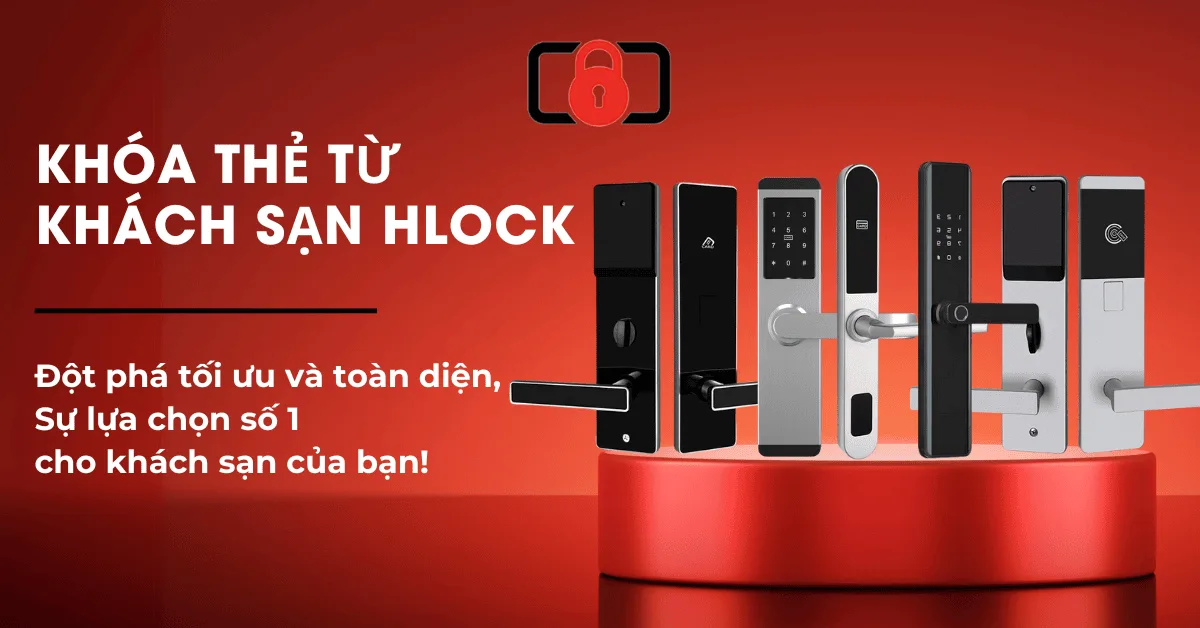
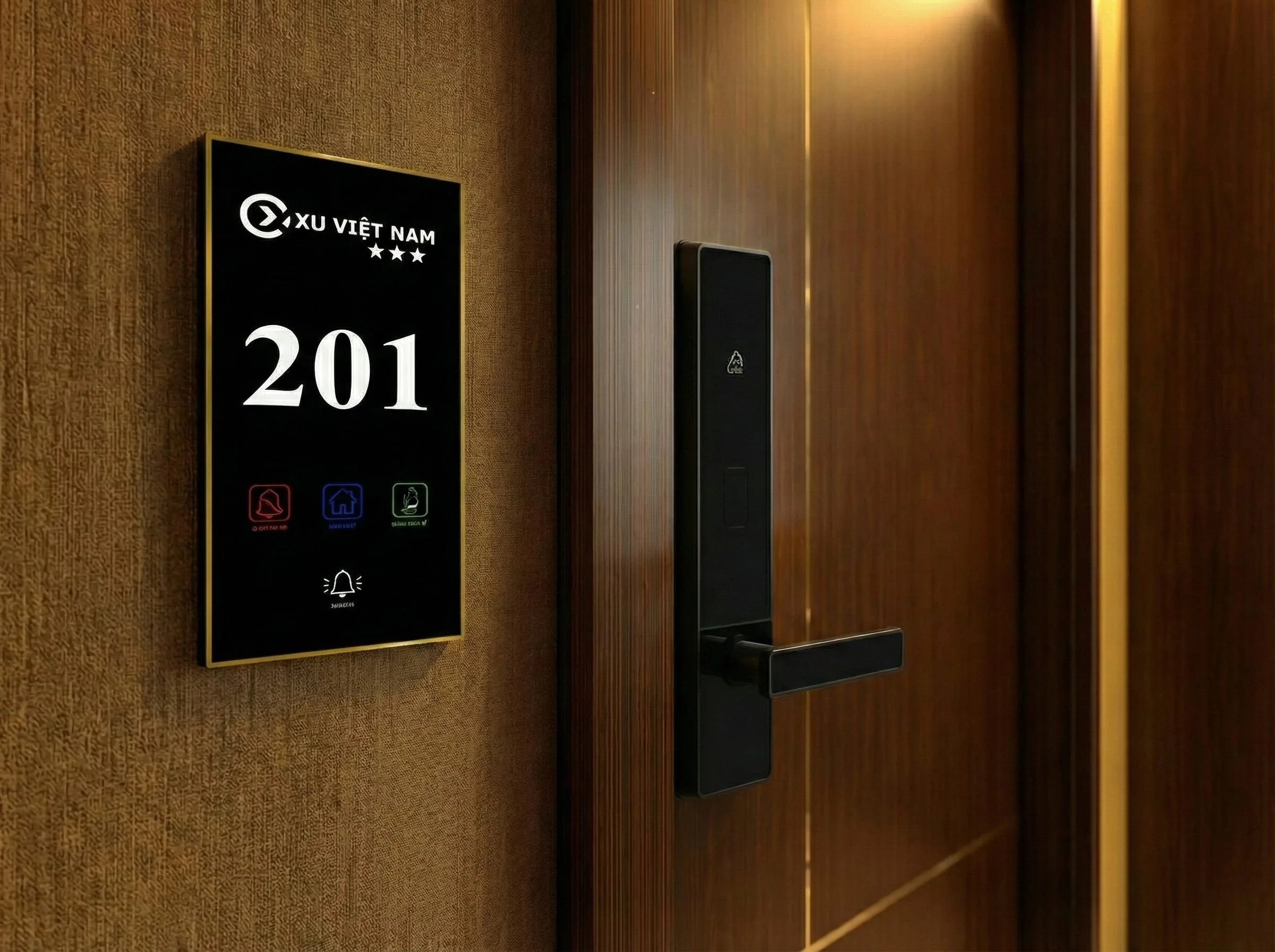
A hotel key card lock is a door lock that uses RFID or chip cards instead of mechanical keys. It usually includes an electronic handle on the door, a controller board, card-encoding software and key cards for guests and staff.
1.2 How it works
- Reception registers the room for the guest
- The software writes encrypted data to the card
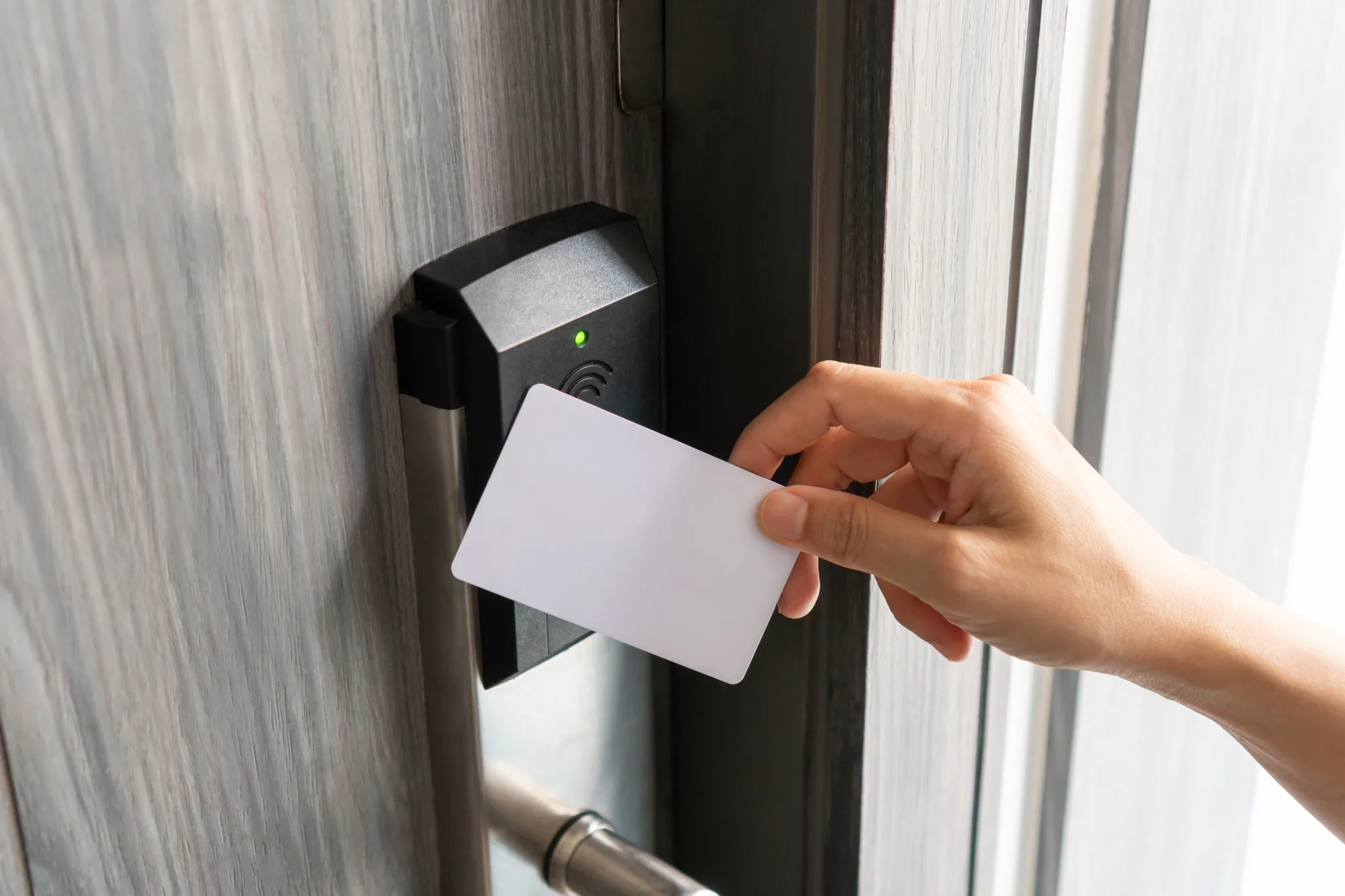
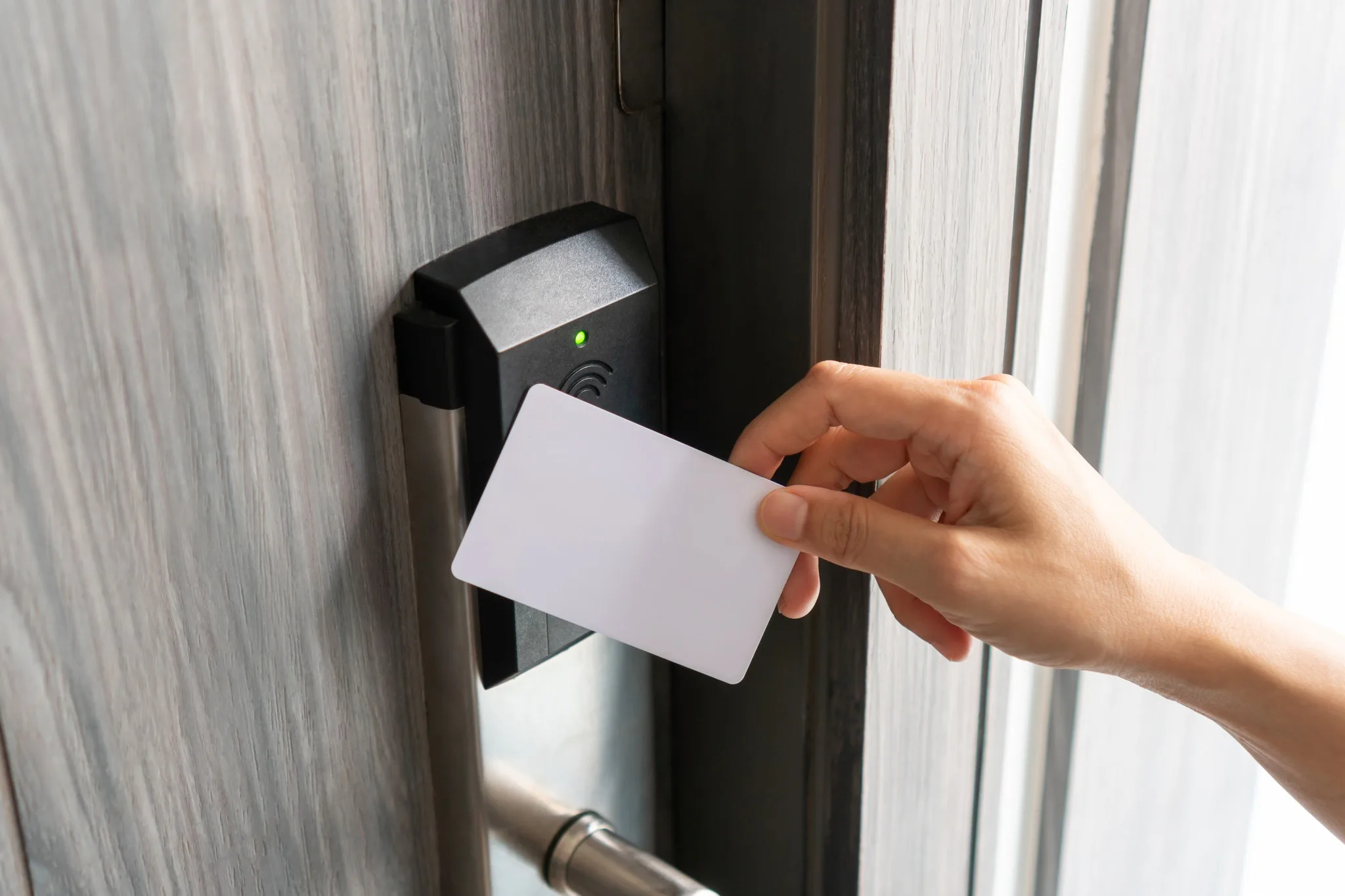
- When the guest holds the card near the lock, it reads the signal and opens
- After check-out, the card expires automatically
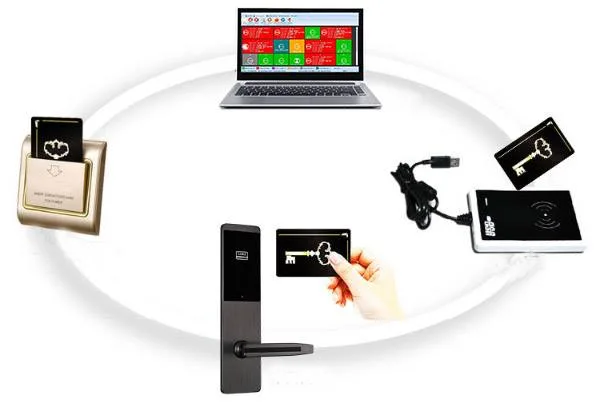
RFID technology makes this fast, accurate and secure.
1.3 Common types of key card locks
- 125 kHz locks: magnetic technology, cheap but less secure
- Mifare 13.56 MHz locks: highly secure, store more data and are the most popular today
- Bluetooth / Wi-Fi smart locks: open with an app or QR code, convenient for upscale hotels
2. Why hotels need key card locks
2.1 An essential industry trend
Guests want fast, modern experiences with less contact, while hotels need to optimise staff and automate operations. Key card locks have become standard for 2–5 star hotels, premium homestays, villas and resorts.
2.2 Safety and security
Mechanical keys can be copied, lost or damaged. Key card locks offer anti-copy encryption, cards that open only one specific room and immediate expiry at check-out – reducing theft and intrusion risk by up to 95%.
3. 15+ benefits of key card locks in hotels
3.1 Benefits for guests
1. Fast check-in with no waiting. Guests receive a card and enter their room in seconds – no waiting for staff to find keys, no sharing a single key among the family and no fees for lost keys.
2. Easy for everyone. Elderly guests, children, groups and business travellers simply tap the card.
3. High security and peace of mind. The lock records who opened the door and when.
4. One card for everything. One card can open the room, lift and power – ideal for high-rise hotels and resorts.
3.2 Benefits for reception and operations
5. Create a room card in 5 seconds. Software plus encoder means no handwriting, key numbering or manual checks – cutting service time per guest by 70%.
6. Easy room control. Cards are assigned to exact rooms, so a guest in room A can never open room B.
7. Room access history. Card logs help resolve complaints, supervise staff and handle security issues.
8. Reset a lost card in one second. Simply cancel the old card and issue a new one – no lock replacement.
3.3 Benefits for hotel owners
9. Fewer losses and operational risks. Prevents staff entering rooms without permission, unreported room changes, missed service charges and theft from copied keys.
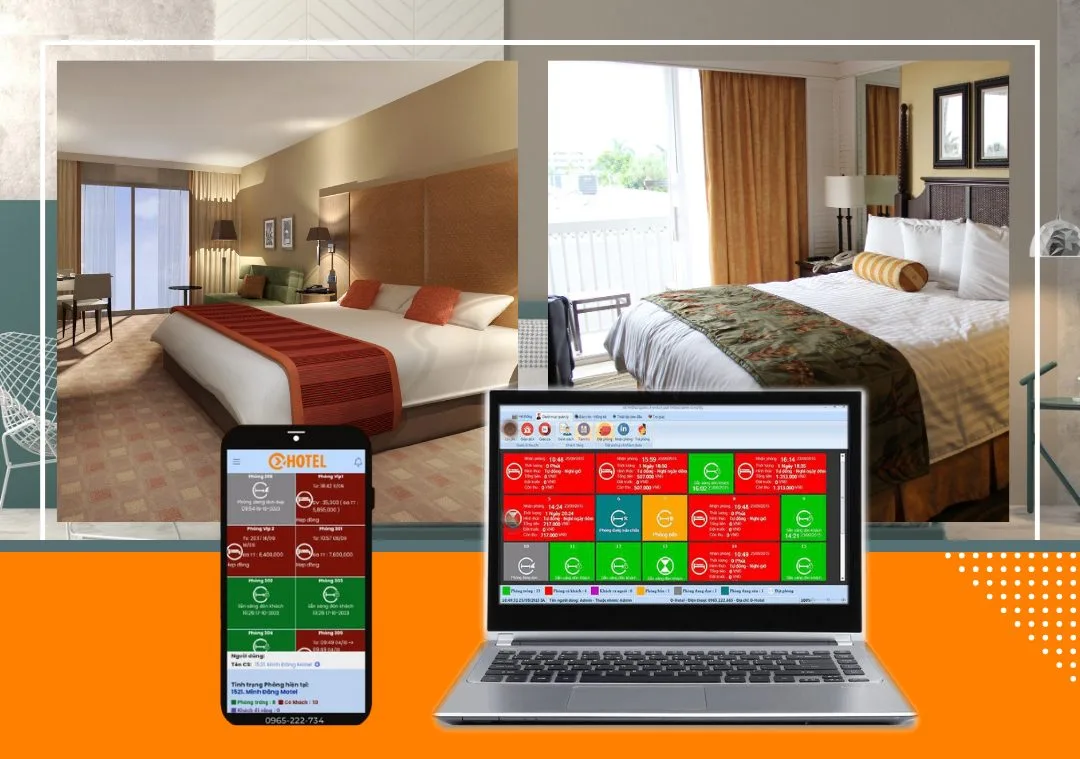
10. Integration with hotel management software (PMS). With a PMS such as OHOTEL, check-in activates the card, check-out expires it and room changes update the card – fully automating room control.
11. Lower staff costs. No key management, no manual lock checks and fewer receptionists per shift – saving 20–40% of staff costs a year.
12. A more professional image. Key card locks signal a modern, trustworthy hotel, leading to better reviews and more repeat stays.
13. Durable with low repair costs. Key card locks last 5–10 years on average, much longer than mechanical locks.
14. No misuse of mechanical keys by staff. Encrypted cards cannot be copied.
15. Scalable from 5 to thousands of rooms. Suitable for homestays, villas, motels, hotels and resorts.
4. What do modern key card systems integrate with?
- Energy savers: power turns on when the card is inserted and off 10–30 seconds after removal, saving 20–30% on electricity bills
- Lifts: cards only allow access to the guest's floor
- Facilities: gym, pool, staff areas and storerooms
- OTA and PMS: OTA bookings sync, cards are created on arrival and expire automatically at check-out
5. Key card locks vs mechanical keys
| Criteria | Key card lock | Mechanical key |
| Security | Very high | Easily copied |
| Convenience | Opens in 1 second | Can jam |
| Management | Access history | No tracking |
| Lost key | Reset in 1 second | Lock must be replaced |
| Cost | Upfront investment | More expensive long-term |
| PMS integration | Yes | Not possible |
Key card locks are clearly superior.
6. Are key card locks worth it for mini hotels and small homestays?
Yes – absolutely. Guests expect modern facilities, the system is easy to run with 1–2 staff, it saves significant electricity, boosts professionalism and ends the hassle of lost keys. Even 5–10 room homestays should use them.
7. How to choose hotel key card locks
- Card technology: choose Mifare 13.56 MHz for high security and compatibility
- Material: 304 stainless steel, rust-resistant and durable for 5–10 years
- Brand and warranty: reputable brands such as HLOCK, PHGLock, ZKTeco and Adel
- PMS integration: the most important factor for automation
- Reasonable price: around VND 1.5–3 million per lock for hotel-grade durability
8. Conclusion
Key card locks bring convenience to guests, simplicity to reception and peace of mind to owners, while cutting operating costs, reducing losses and increasing professionalism. That is why most hotels are switching – for security, convenience, automation, professionalism and long-term savings. Combined with OHOTEL hotel management software, your hotel runs smartly, efficiently and without losses.