
In the restaurant and hotel business, staff communicate directly with guests. A small slip or a clumsy response can affect the image of the whole restaurant or hotel. So how can staff communicate effectively? Let's explore the golden art of communication for restaurant and hotel staff with OHOTEL.
Why communication matters for restaurant and hotel staff
Your work quality is judged not only by your results but by how others perceive you. Through daily communication, people form a view of your attitude and personality in relationships and at work.
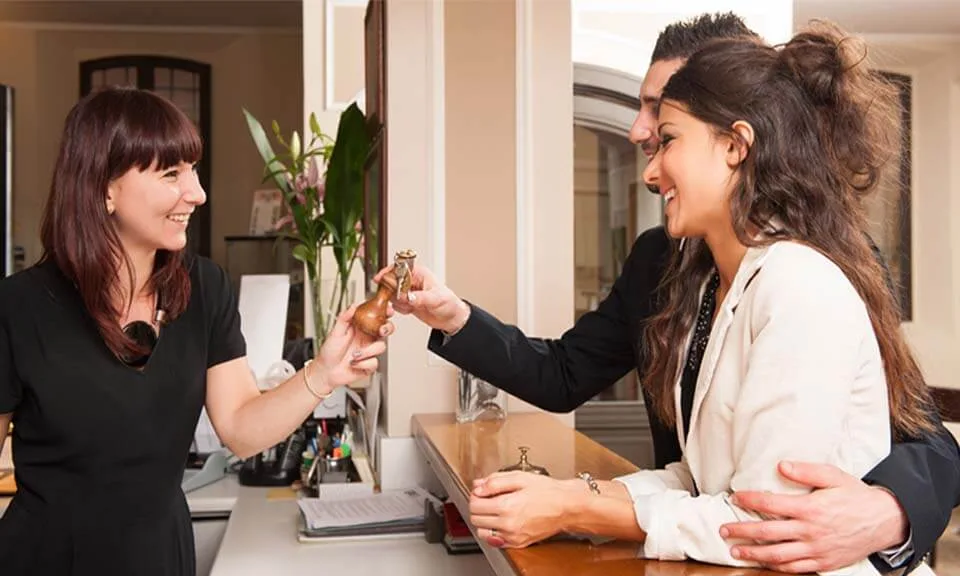
Good, tactful communication creates goodwill and builds positive relationships that support your work and social life.
Making a good impression
- With guests: good communication creates goodwill and satisfaction with the service. Even if you make small mistakes – a missing order or a wrong bill – guests are unlikely to scold a cheerful, enthusiastic staff member. How tactfully staff behave also greatly influences whether guests return.
- With managers: when you communicate well, managers notice you and recognise your efforts, which may lead to rewards or a pay rise – as long as you also do your job well.
- With colleagues: colleagues will be happy to help when you're in difficulty, support you when it's busy or swap shifts when you have an emergency.
In practice, people with average skills but good communication and teamwork are often more successful than highly skilled people who communicate poorly or don't cooperate.
The golden art of communication
Verbal communication
- Forms of address: address guests respectfully according to their age; address older colleagues respectfully and peers by name; address managers appropriately for their position. Never speak curtly, rudely or over-familiarly with new acquaintances.
- Speaking: speak clearly and pleasantly, with content suited to the other person's age and position. Be natural, polite and sincere, and never show irritation towards guests – always be enthusiastic.
- Word choice: avoid dialect, slang, internet or teen language and jargon that may confuse or mislead.
- On the phone: guests can't see you but can feel your emotions through your voice. Speak clearly at a comfortable volume and give exactly the information they need, without rambling.
- Listening: listen carefully to guests, colleagues and managers so you can meet guests' requests and do your job well.
Written communication
- Use clear language and information focused on the real purpose; make information accurate, complete, clear and coherent
- Note the date and time of phone messages from guests or colleagues for later reference
- Respond to requests promptly, especially written or email requests
Non-verbal communication
- Eye contact: look at the other person but not for too long; don't stare, glance around occasionally to ease tension, don't roll your eyes, look sideways at others, look down at feet or at physical imperfections.
- Facial expression and manner: a friendly, cheerful, gracious face and a well-timed smile; light make-up for women and neat hair.
- Clothing and uniform: wear the correct uniform, neat, clean and unwrinkled. Consistent uniforms show the organisation, discipline and service quality of the restaurant or hotel, and respect for guests.
Mastering these skills helps restaurant and hotel staff – especially receptionists and servers – serve guests better and deliver high satisfaction in both service quality and emotional experience.