Hotel classification in hotel management
1. Hotel classification
To meet the needs of different travellers, hotel systems have developed into many types. Today, in Vietnam and around the world, hotels are classified by the following main criteria:
1.1. By size
- Small hotels: mini hotels with 10–49 rooms, mostly providing only accommodation, with few other services. They have low room rates.
- Medium hotels: 50–100 rooms, providing most services such as accommodation, food and beverage and some supplementary services. They are usually built at tourist destinations, in towns and some resort areas, with mid-range prices.
- Large hotels: usually 100 rooms or more, providing a full range of services, equipped with modern facilities and often high-rise, with high room rates.
1.2. By location
- City centre hotels
Built in the centres of large cities and densely populated urban areas. They serve business travellers, conference and seminar delegates, traders, athletes and sports fans, and people visiting relatives. They are usually large, high-rise hotels with synchronised, luxurious and modern facilities, and often highly rated. In Vietnam, they are concentrated in Hanoi and Ho Chi Minh City.
- Resort hotels
Built in places with natural resources such as beaches, islands, forests and mountains, usually as low-rise villas. Guests come to rest and relax, and scientists come to study ecosystems. They offer fairly complete luxury facilities and a full range of services. In Vietnam, resort hotels are found in Ha Long Bay, Cat Ba and Do Son (Hai Phong), Da Nang, Nha Trang, Mui Ne (Binh Thuan), Tam Dao (Vinh Phuc), Sa Pa (Lao Cai), Da Lat (Lam Dong) and more.
- Suburban hotels
Built on the outskirts of cities or urban centres. They serve weekend guests, business travellers and people visiting relatives with average spending power, so their facilities and services are complete but mid-range in luxury and quality.
- Highway hotels – motels
Built along highways and national roads to serve travellers driving cars. They mainly offer accommodation, food and beverage and vehicle services such as repairs and fuel.
- Transit hotels
Built at airports, seaports and border gates. They serve business travellers and passengers of international airlines and ships stopping in transit because of their schedules or unexpected circumstances.
1.3. By target market
The most common types include:
- Commercial hotels
- Tourist hotels
- Serviced apartment hotels
- Casino hotels
1.4. By level of service
Hotels are divided into:
- Luxury hotels
- Full-service hotels
- Limited-service hotels
- Economy hotels
1.5. By ownership
Based on Vietnam's 2005 Enterprise Law, hotels by ownership include:
- State-owned hotels
- Joint-stock hotels
- Limited liability company hotels
- Private hotels
- Joint-venture hotels
1.6. By affiliation
Hotels are divided into:
- Independent hotels
- Chain hotels
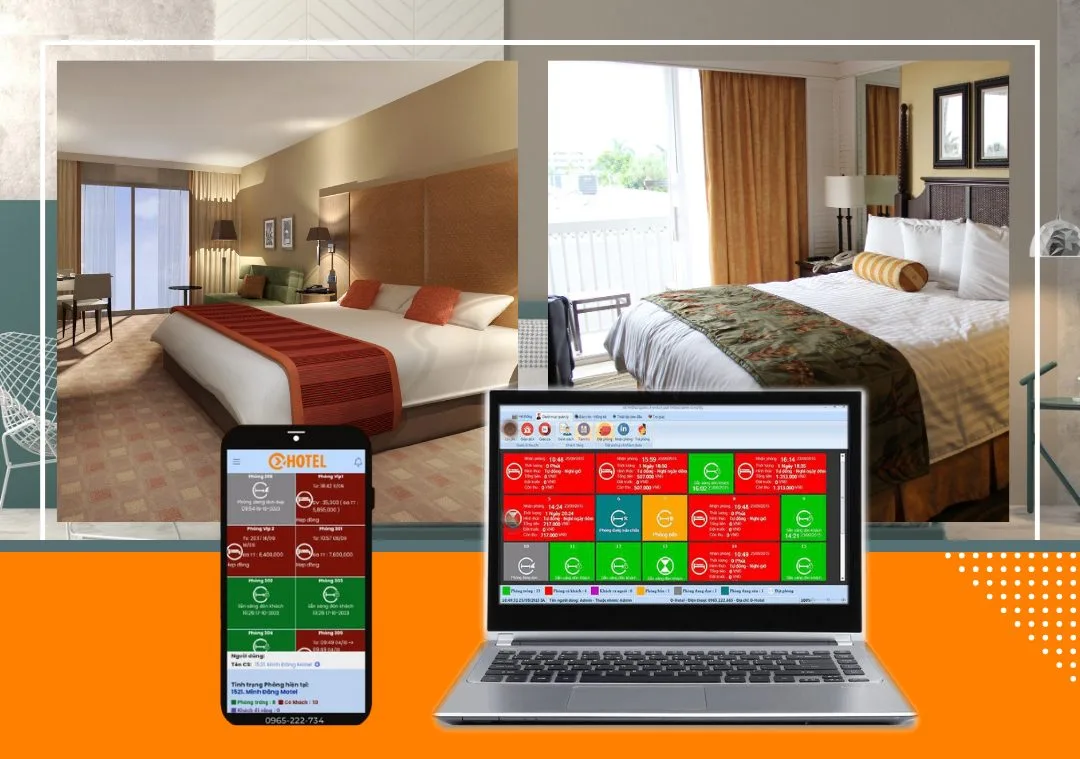
Whatever type of property you run, Ohotel hotel management software can be configured to fit it.