The hospitality industry in general – and hotels in particular – face a bumpy road ahead. Getting through requires flexibility, especially financially. Increasing hotel profit is far from easy.
The cost of delivering flawless service to ever more demanding guests is rising many times over year after year, according to Bjorn Hanson in a recent conversation with Christopher Muller of Boston University. In addition, seasonal fluctuations and vacancy rates force CFOs and chief accountants to control costs more tightly.
According to HSMAI (the Hospitality Sales & Marketing Association International), a hotel with USD 3 million in revenue spent USD 120,000–150,000 on distribution a few years ago, and this figure was expected to rise to USD 200,000–250,000 by 2015. Costs are clearly rising, but revenue isn't necessarily keeping pace.
That raises the question: what should we do to increase profit?

Hotel management – increasing profit
Focus on forecasting performance
Whatever industry you work in, having a big picture of the future helps you decide which actions will deliver the best results. This is especially true in the hotel industry, where seasons have a huge impact – which is why we need forecasting.
Usually, the director of revenue (or finance) and the director of sales forecast demand, calculate prices and manage inventory. Completing forecasts on time and accurately is important, but giving the whole leadership team the big picture is even more important.
With the necessary forecast data, managers of the front office, housekeeping, F&B and other departments can plan supplies, staffing and services for guests appropriately.
Unlike forecast accuracy, which focuses on short-term decisions, forecasting performance looks further ahead. It is a way to embed demand forecasting in the company culture, measuring how effectively forecasts are made and how the business responds to changing market conditions from both cost and revenue perspectives. By building forecasting performance into your daily forecasting, a hotel can review its operations in both the short and long term.
Pay more attention to your room staff
It's no surprise that the higher guest satisfaction is, the higher the hotel's average daily rate (ADR). In any hotel, guest satisfaction depends largely on the relationship and communication between guests and room staff.
Increasingly, broad communication methods such as briefings, meetings and communication between room managers are used, because they help hotels focus on solving problems. These activities are important but not enough, because today's room staff want to be a bigger part of the business.
We can achieve this through relational communication. Room staff know far more about guests than we think, and if they can communicate and connect easily, they can share valuable ideas that improve service quality.
Manage staff tightly to prevent fraud
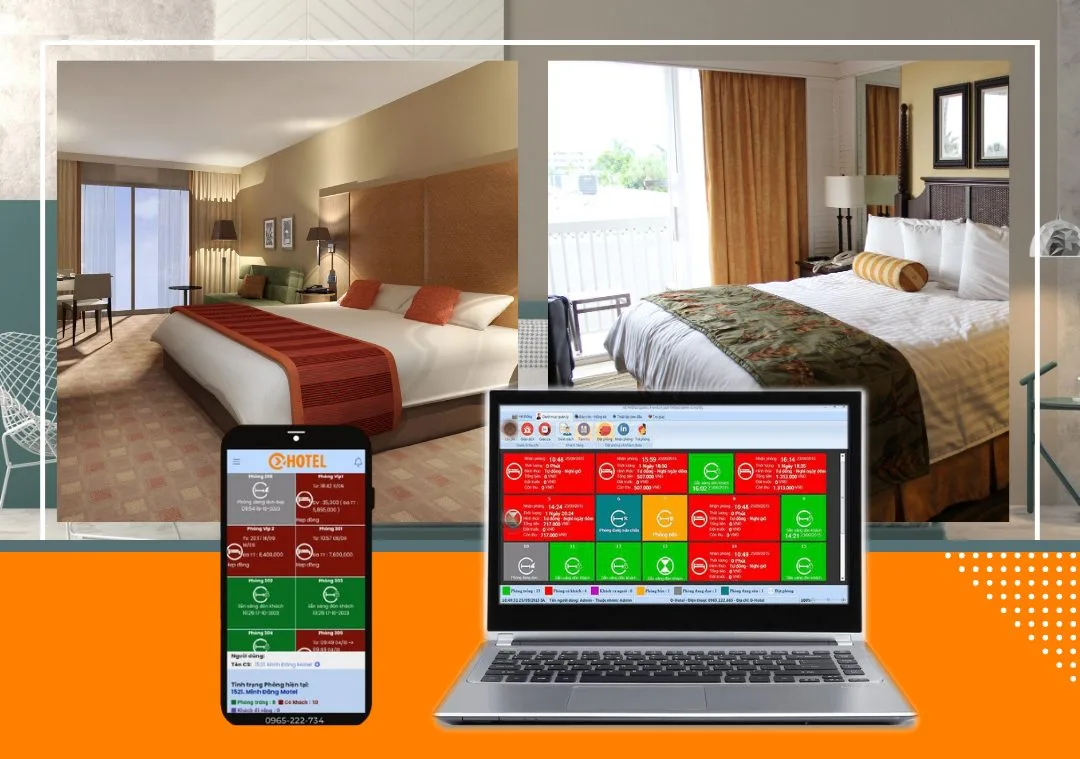
At the same time, staff need to be managed more tightly, because not every employee is dedicated to the job. As discussed in our article on common hotel staff fraud tricks and how to fix them, you should manage staff as tightly as possible – and one of the best ways is to use the Ohotel hotel management software system we recommend.
Address guests' concerns and meet their needs more effectively in different ways. Delivering high-quality service without increasing staff costs helps the business grow profit.
Maximise market segmentation
Many businesses segment their market by classifying customers according to profit-and-loss categories, using this to drive marketing spend and sales performance. But in hindsight, this only scratches the surface. We need to think more deeply about segmentation based on guests' needs and characteristics.
Understanding guest behaviour gives hotels a foundation to focus on the segments that bring the highest profit and to adjust their acquisition strategies to maximise revenue. For example, in peak seasons hotels should focus on attracting, allocating rooms to and retaining the most valuable guests. Conversely, in low seasons hotels should offer what guests want most to attract them.
To do this, hotels need tools that provide real-time data, helping them make decisions based on historical data and business models.