One of the most notable website design trends this year is the shift to visual-first interfaces.
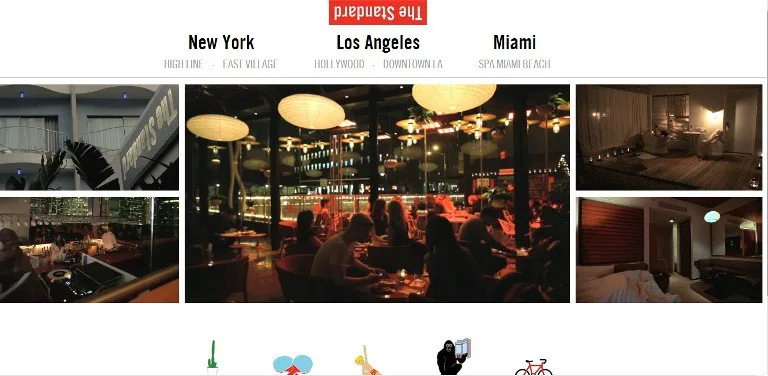
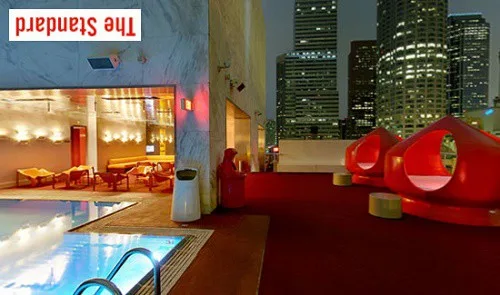
Until recently, website design relied on thumbnails and short text introductions, with a large image or slideshow banner at the top. But many big brands have moved to a more visual approach. Unsurprisingly, dynamic boutique hotel groups such as Ace Hotels, The Standard and Morgans have led this trend in travel. All three apply a visual-first strategy across every customer-facing channel. Instead of long text descriptions, they present their unique selling points through images and videos across all digital channels.
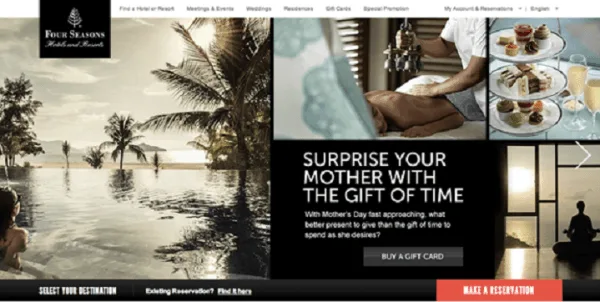
Many marketers aren't comfortable splitting their audience across two websites (the official website and a separate blog). However, if managed well, the two complement each other perfectly, and a blog on its own domain becomes another social media environment. One of the best examples of the visual-first trend is the Four Seasons portal, a USD 18 million investment. Its wide-angle images of hotels and destinations captivate you from the start.
Change today
Sometimes the easiest way to improve something is to copy the best. Although Four Seasons and the boutique brands above target luxury guests, any hotel can learn something by studying these pioneers.
But that's only half the battle. When did you last update your hotel's photos – last month, or last week? The most dynamic hotels update their visuals regularly, and it doesn't always have to be with expensive professional photography. There are many ways to use social media and partner images to create an engaging web experience that attracts potential guests to your website and keeps them coming back.
If you need a modern, visual-first hotel website connected to your Ohotel hotel management system, contact us.
By Greg Oates, VFM Leonardo