In recent years, the travel and hospitality industry has changed dramatically thanks to technology and new booking behaviour. Hotels used to receive guests mainly in person or by phone; today most reservations come from online platforms. That is why multi-channel hotel distribution has become an essential way to increase revenue and optimise occupancy.
In 2026 this trend keeps growing as more hotels distribute rooms across OTAs, their own websites, social media and booking apps. This article explains the 2026 multi-channel distribution trend, its benefits and how to implement it effectively.
1. What is multi-channel room distribution?
Multi-channel distribution means selling hotel rooms on several sales channels at the same time instead of depending on a single source of guests. Common channels include:
- The hotel website
- OTAs (Online Travel Agencies)
- Social media
- Travel agents
- Booking apps
- Walk-in sales at the front desk
A multi-channel strategy lets a hotel reach many different guest segments, from international travellers to domestic guests.
2. Why has multi-channel selling become a trend?
2.1 Guest booking behaviour has changed
Travellers now search and compare rooms on several platforms before booking. They may search on an OTA, compare prices on Google, read reviews on social media and only then book. A hotel that appears on just one channel has very limited reach.
2.2 OTAs hold a large market share
Platforms such as Booking.com, Agoda and Traveloka account for a large share of online bookings. With huge customer bases and strong marketing, they help hotels fill rooms faster.
2.3 Competition keeps rising
The number of hotels, homestays and serviced apartments keeps increasing. To compete, a hotel must appear on many channels to expand its market coverage. Hotels that only sell directly often struggle to attract guests.
3. Popular sales channels in 2026
3.1 OTAs – the largest channel
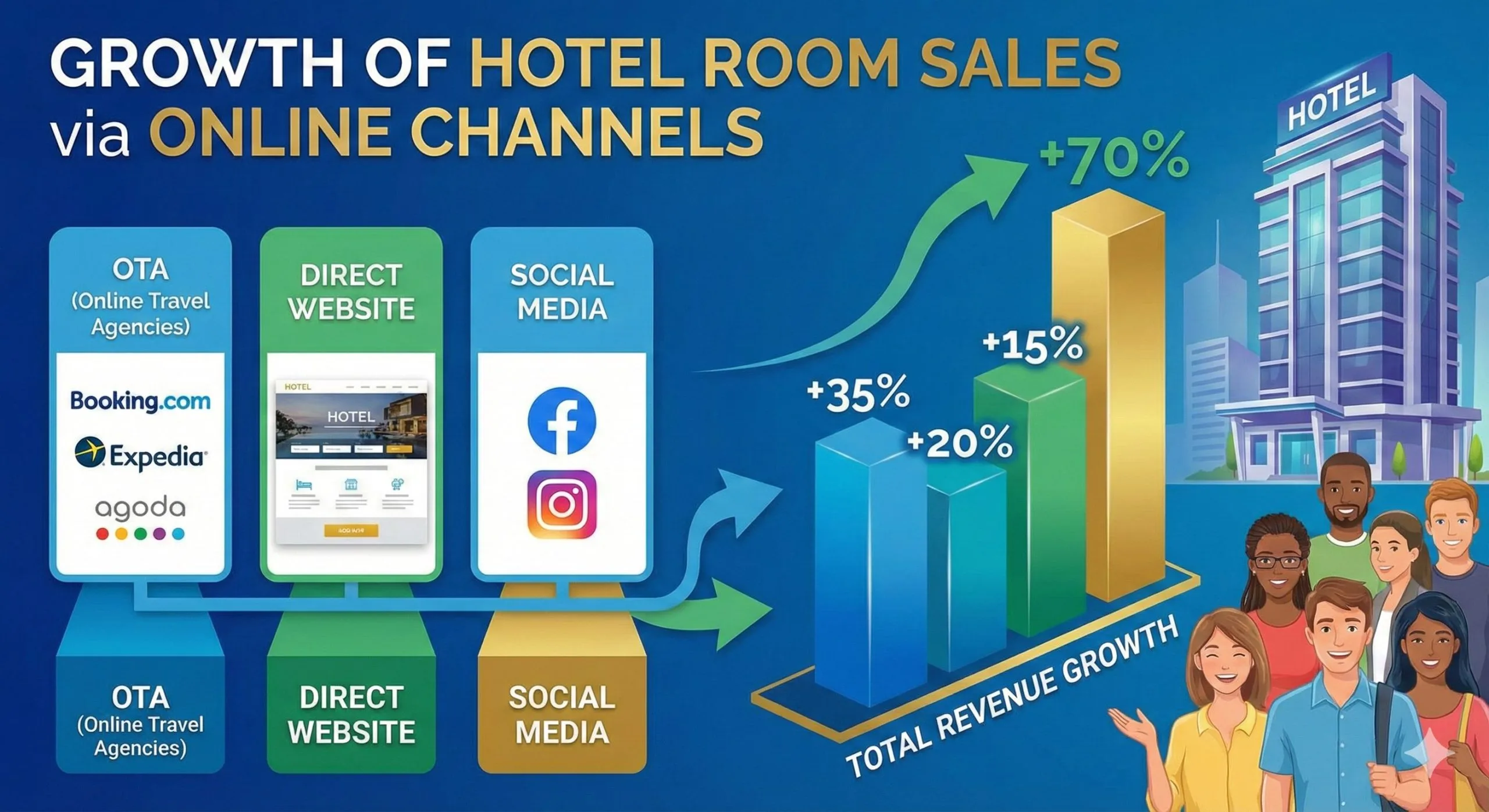
OTAs remain the main sales channel for many hotels thanks to their huge audience, strong marketing and guest trust. However, they usually charge 15%–25% commission, so hotels should combine them with other channels.
3.2 Direct booking website
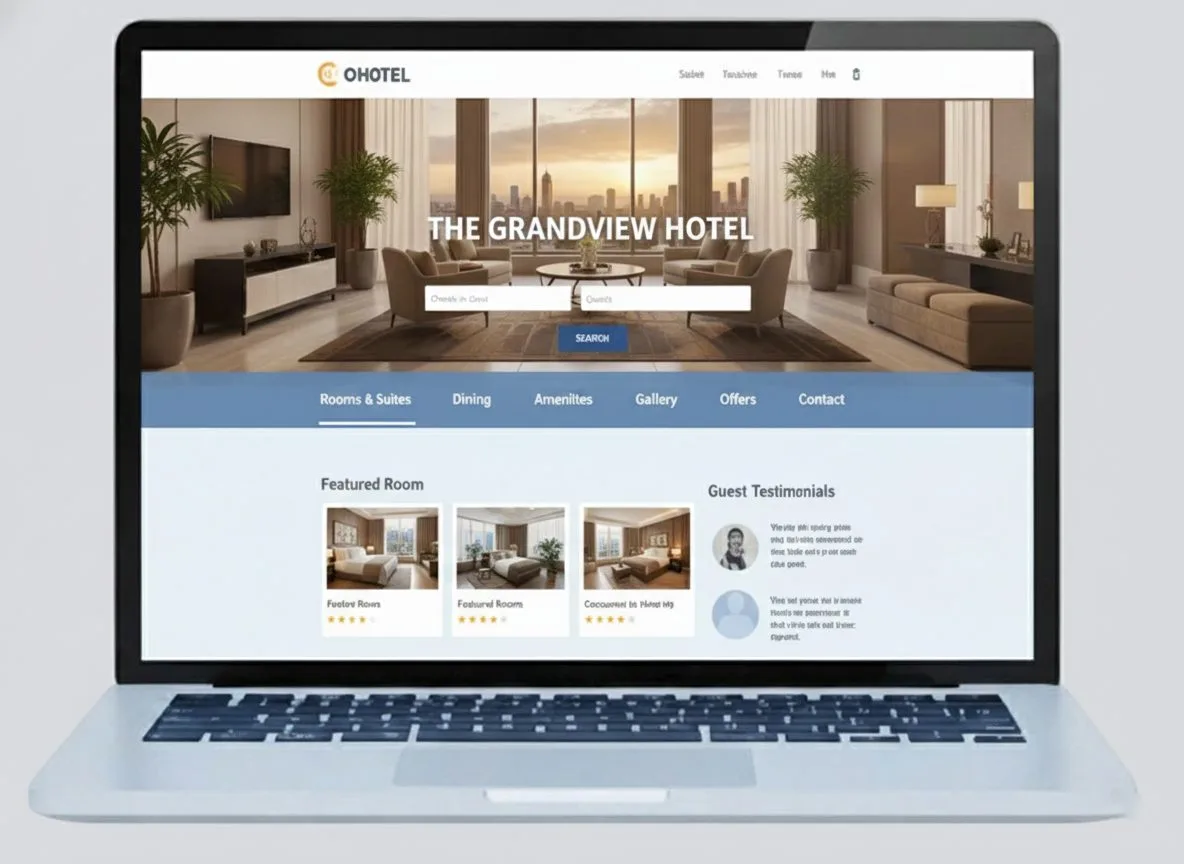
A hotel website reduces commission costs and builds your own brand: no OTA fees, more repeat guests and full control over promotions. The 2026 trend is to integrate an online booking engine directly into the website – see our hotel website and booking engine service.
3.3 Google Hotel Search
Google is increasingly where travellers look for rooms. It shows room rates, OTA price comparisons and booking links. Hotels that optimise for Google Hotel Search can significantly increase bookings.
3.4 Social media
Facebook, Instagram and TikTok are effective marketing channels for hotels. Many properties receive a large number of bookings through Facebook messages, booking links and social media ads.
4. Challenges of multi-channel selling
4.1 Inconsistent prices across channels
With manual management, hotels easily end up with different OTA prices and unsynchronised promotions, so guests compare and lose trust.
4.2 Overbooking
This is common when several channels sell at once – for example, an OTA has sold a room while the front desk still accepts a walk-in guest. The result is a double booking that hurts the guest experience.
4.3 Difficult revenue control
When booking data sits on many platforms, consolidating revenue takes time and is error-prone.

5. How to manage multi-channel distribution effectively
5.1 Use a Channel Manager
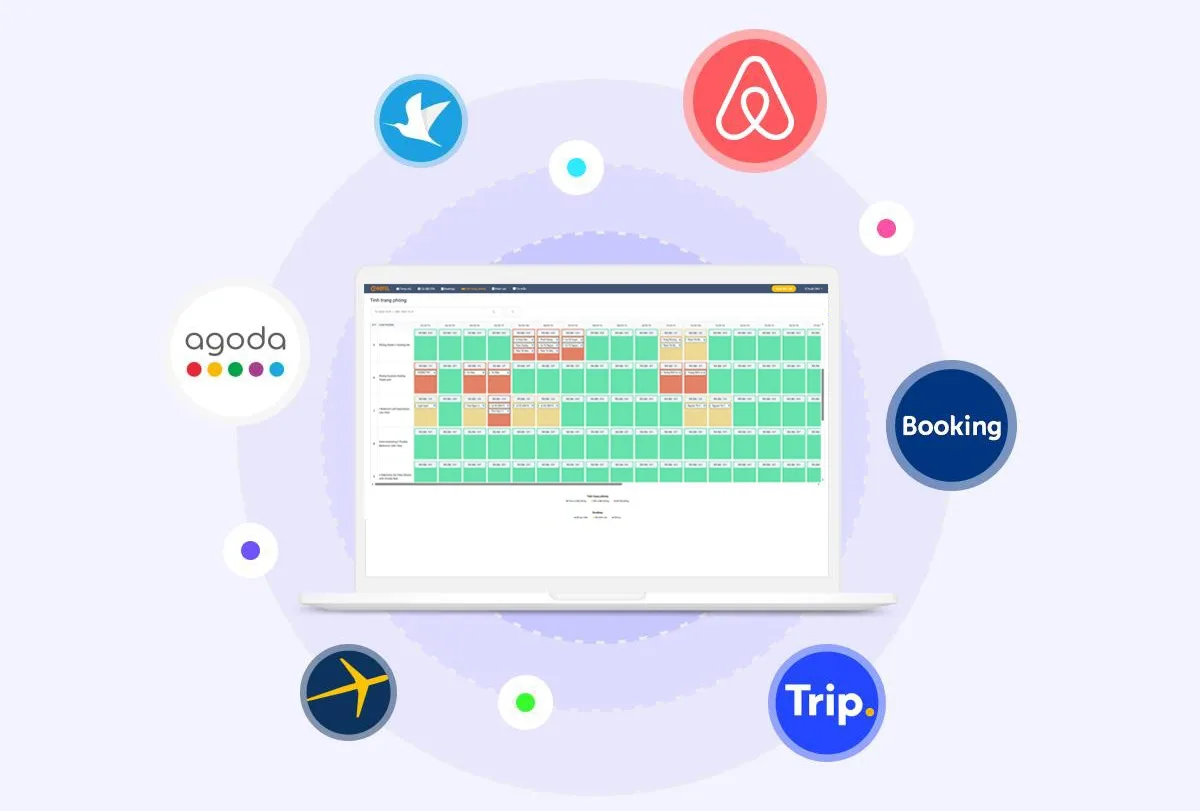
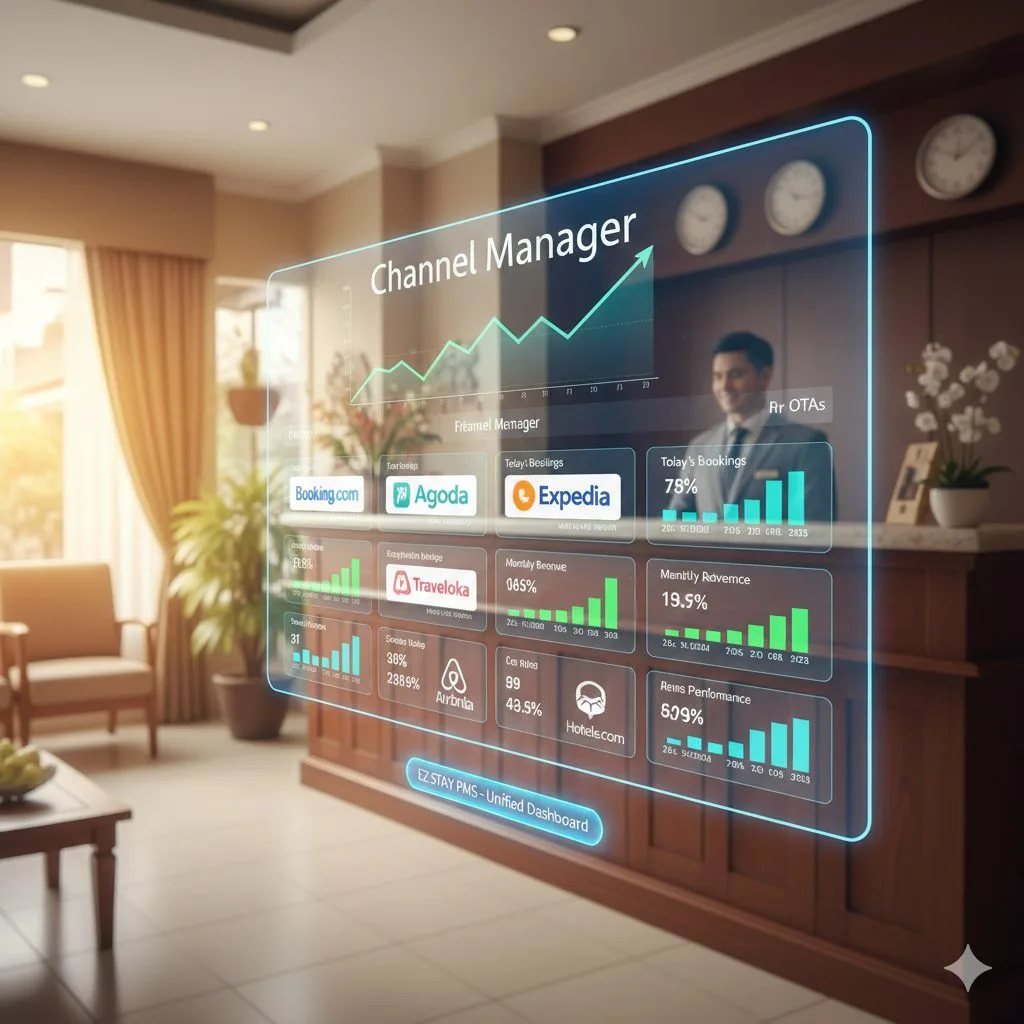
A Channel Manager synchronises rooms and rates across all sales channels. When a new booking arrives, availability is updated on the other OTAs automatically, preventing overbooking. It is practically essential for any hotel selling on multiple channels – learn more about the OXU CMS channel manager.
5.2 Use hotel management software (PMS)
A PMS helps you manage bookings from every source, track occupancy, report revenue and control front-desk operations. Combined with a Channel Manager, your whole distribution system is managed in one place.
5.3 Align rates and sales strategy
Define a clear price strategy for each channel – OTA rates, website rates, group rates and returning-guest rates – to optimise revenue and avoid channels competing with each other.
6. Hotel distribution trends in 2026
6.1 Automated booking management
Modern systems automatically update availability, synchronise rates and generate revenue reports, reducing manual work.
6.2 Remote management
Owners can track occupancy, revenue and new bookings on their phone without being at the hotel.
6.3 Personalised guest experiences
Guest data helps hotels send relevant offers, increase repeat stays and raise booking value.
6.4 Integrated management ecosystems
The new trend is integrating several systems into one platform: room management, Channel Manager, smart locks and financial reporting.
7. Benefits of a multi-channel strategy
Higher occupancy
The hotel reaches many different guest sources.
Higher revenue
Selling on more channels maximises bookings.
Less dependence on one source
If one channel slows down, others keep bookings coming.
Stronger brand
Appearing on many platforms increases brand awareness.
Conclusion
Multi-channel distribution is no longer optional – it is an essential trend for hotels in 2026. Being present on many platforms helps hotels reach more guests, increase occupancy and optimise revenue.
To manage it well, hotels need technology such as hotel management software and a Channel Manager to keep data synchronised and avoid errors. In an increasingly competitive market, hotels that master multi-channel selling will have a major advantage for sustainable growth.
Learn more about online channel management with OXU CMS.